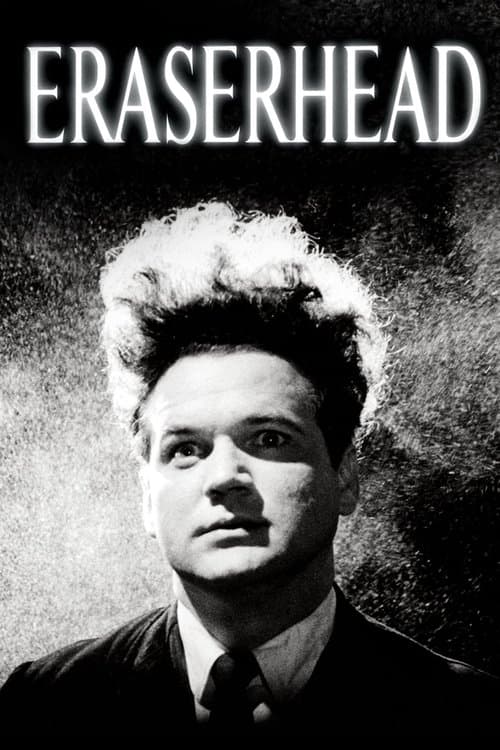
Eraserhead
David Lynch · 1977
Henry Spencer lives in a desolate industrial landscape and is horrified to discover he has fathered a grotesque, continuously crying mutant child with his girlfriend, who quickly abandons him to cope alone. David Lynch's debut feature is an expressionist nightmare about the terror of parenthood and industrial modernity.
Techniques Used
4 techniques identified in this film
Dream Logic Structure
NarrativeA narrative that abandons cause-and-effect realism in favor of the associative, emotionally driven logic of dreams — events connected by feeling rather than reason.
How this film uses it
Lynch builds Eraserhead from the grammar of a bad dream — events that cannot be explained within any rational system, visual symbols that communicate feeling directly, the film's 'meaning' located in the emotional response it produces rather than any decipherable plot.
Industrial Space Design
CinematographyThe use of industrial architecture — factories, machinery, pipes, desolate concrete — as an expressive environment encoding alienation and the violence of mechanized life.
How this film uses it
Lynch shot in the AFI's stables and on derelict industrial lots, constructing a world where the infrastructure of industrial production is the landscape of domesticity — the film arguing that the factory and the apartment are the same kind of dehumanizing machine.
Body Horror
PsychologyA mode of horror that locates dread in the violation, mutation, or loss of control of the human body — the familiar made grotesque.
How this film uses it
The mutant infant is the film's central body horror object — an entity that is recognizably infant-shaped but viscerally, fundamentally wrong — its continuous crying and its biological vulnerability making Henry's inability to love it a portrait of paternal horror.
Constructed Sound Language
SoundThe deliberate construction of a film's entire sonic environment as an expressive system rather than a documentary record of ambient sound.
How this film uses it
Alan Splet's sound design for Eraserhead — the industrial hum, the baby's inhuman cry, the radiator's breathing — constitutes a complete sonic world separate from and more emotionally real than any ambient location recording, the sound the film's primary expressive medium.
You Might Also Like
Films that share at least one technique with Eraserhead

Following her secretive mother's death, a miniaturist artist discovers disturbing truths about her family's history — a discovery that comes as grief, horror, and finally something that cannot be explained as coincidence. The most devastating horror film in decades.
Hereditary
Ari Aster · 2018
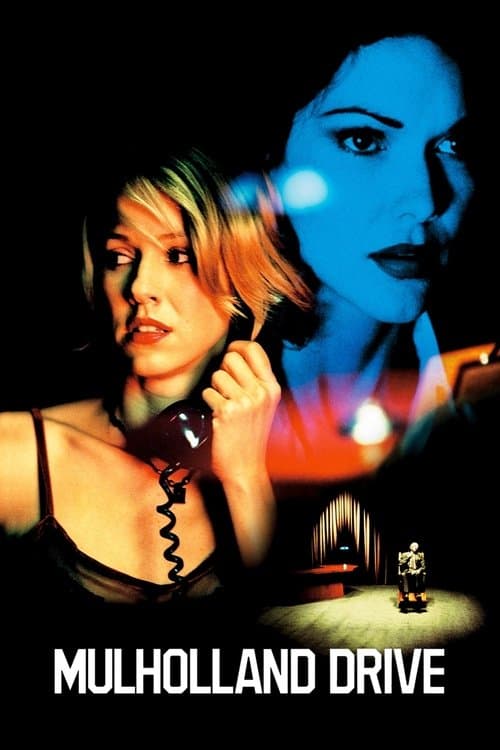
An aspiring actress and an amnesiac woman forge a mysterious bond in Hollywood, before the film fractures into a darker, possibly truer version of events. A dream-logic exploration of desire, failure, and self-deception.
Mulholland Drive
David Lynch · 2001

A perfectionist ballerina wins the lead in Swan Lake but becomes consumed by paranoia and hallucination as opening night approaches. A psychosexual horror film about the violence of perfectionism and the dissolution of identity.
Black Swan
Darren Aronofsky · 2010