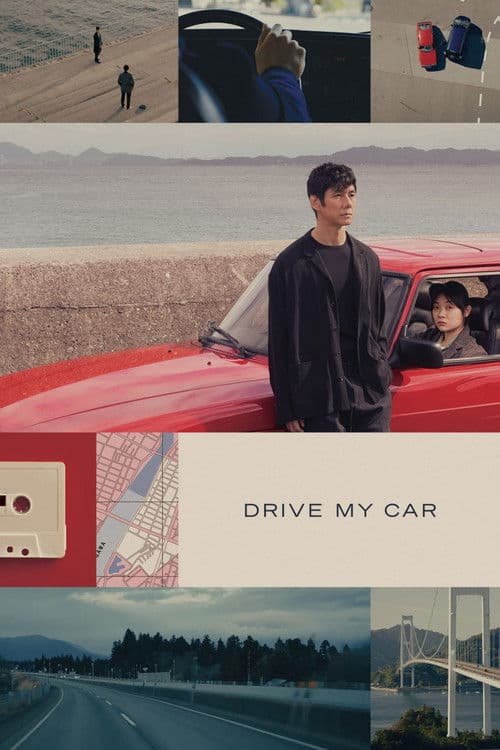
Drive My Car
Ryusuke Hamaguchi · 2021
A theater director grieving his wife's death travels to Hiroshima to stage a multilingual production of Uncle Vanya, where his assigned driver — a young woman carrying her own unspoken loss — becomes his unexpected companion in grief. Hamaguchi's film is a three-hour study of what we tell ourselves about the people we loved.
Techniques Used
4 techniques identified in this film
Ceremonial Pacing
NarrativeA filmmaking tempo that treats time as something to be experienced fully rather than edited for efficiency, using duration itself as a form of meaning.
How this film uses it
Hamaguchi opens with a forty-minute prologue before the title card appears, and sustains a rhythm throughout that refuses hurry — the film's length is not indulgence but an argument about how grief and understanding require time.
Slow Build Runtime
NarrativeA narrative that uses its extended length deliberately, building meaning through accumulation rather than compression, with each scene adding emotional weight rather than plot.
How this film uses it
At nearly three hours, Drive My Car resists synopsis — each car journey, each rehearsal, each meal adds to a picture of grief that could not exist in shorter form.
Observational Restraint
NarrativeA filmmaking approach that withholds explanation, allowing behavior and environment to communicate character meaning without dialogue.
How this film uses it
Hamaguchi shows us Kafuku watching his wife's infidelity without confronting her, staging rehearsals through which he works out his grief, and riding in silence — a portrait assembled from what is not said.
Protective Fiction
NarrativeA narrative device in which a character uses art, storytelling, or performance as a psychological shield against direct confrontation with grief or trauma.
How this film uses it
Kafuku channels his unprocessed grief over his wife's infidelity and death into staging Uncle Vanya — the theater production a controlled space where grief can be handled indirectly through other people's performed pain.
You Might Also Like
Films that share at least one technique with Drive My Car
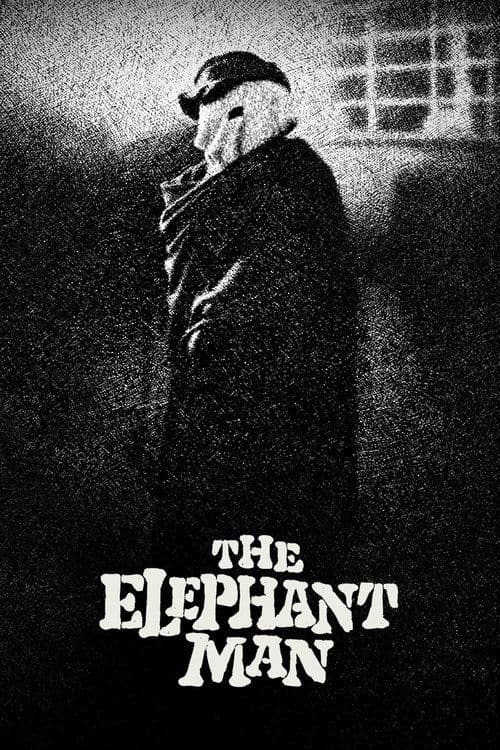
John Merrick — the severely deformed Victorian man exhibited as a carnival freak — is rescued by a London surgeon and discovers, for the first time, a life of dignity and human connection. Lynch's most emotionally direct film uses black-and-white imagery to ask what humanity actually requires.
The Elephant Man
David Lynch · 1980
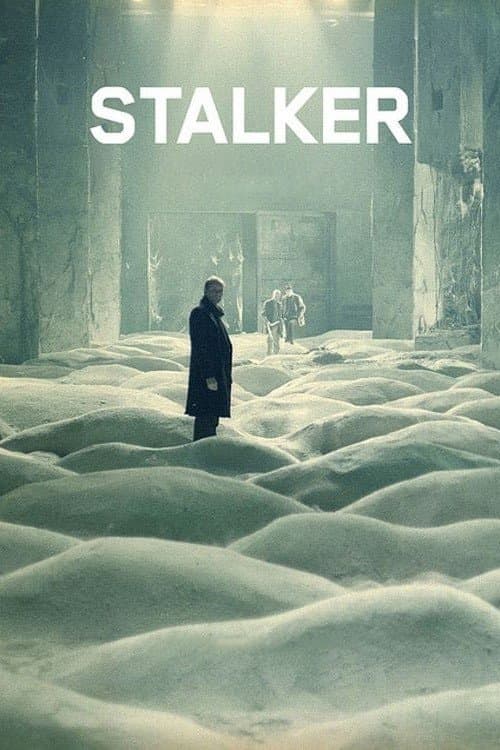
A guide called the Stalker leads a Writer and a Professor through the Zone — a forbidden, seemingly supernatural landscape containing a Room that grants a person's deepest wish. One of cinema's most demanding and rewarding films: a philosophical journey that refuses every destination it promises.
Stalker
Andrei Tarkovsky · 1979
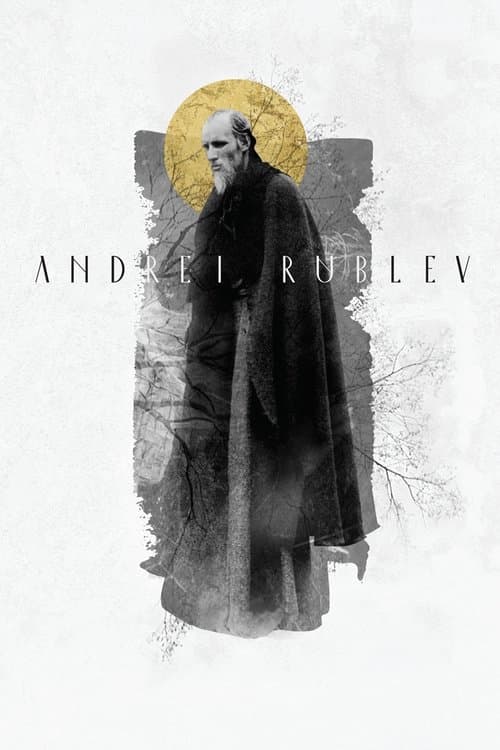
The life of medieval Russian icon painter Andrei Rublev is told across eight episodes spanning the early fifteenth century — a world of faith, violence, and artistic silence. Tarkovsky asks whether art is possible in a world of unrelenting suffering, and what it costs the artist to maintain the belief that it is.
Andrei Rublev
Andrei Tarkovsky · 1966