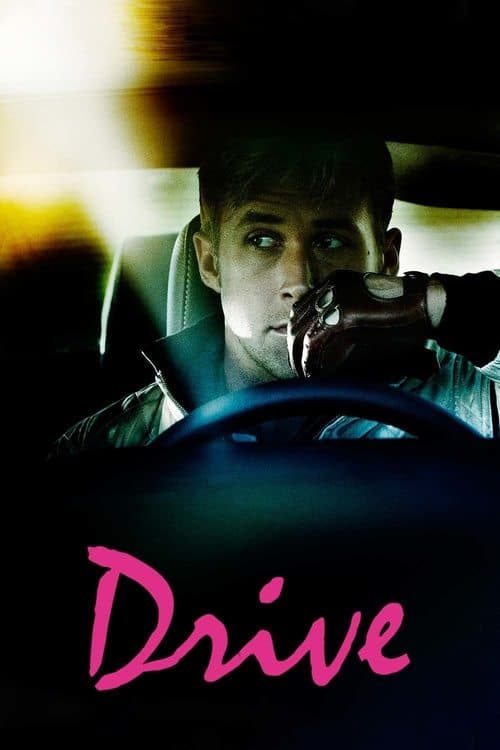
Drive
Nicolas Winding Refn · 2011
A Hollywood stunt driver who moonlights as a getaway driver becomes entangled with his neighbor and her husband's criminal debt, setting off a violent chain of events he navigates with extraordinary skill and extraordinary silence. Nicolas Winding Refn's neo-noir is constructed around a protagonist who communicates entirely through action.
Techniques Used
5 techniques identified in this film
Silent Observation Pacing
NarrativeA narrative mode built on long, quiet scenes of characters in proximity — dialogue reduced to formality, the real communication happening in gesture, glance, and shared silence.
How this film uses it
Ryan Gosling's Driver speaks perhaps a dozen sentences in the film's first forty minutes. Refn builds the character and his relationships entirely through behavior, silence, and the camera's sustained attention to a face that does not explain itself. The silence is not blankness but a fully inhabited interior world that the film refuses to translate.
Tonal Bifurcation
NarrativeSustaining two entirely distinct tonal registers within a single film — allowing them to exist in tension without resolving either into the other, so that the collision between them becomes the film's meaning.
How this film uses it
Drive's first half is a quiet, almost dreamlike romance — synthwave score, soft light, two people falling into proximity. Its second half is sudden, extreme, almost unwatchable violence. Refn does not transition between the tones; he ruptures from one into the other, the violence more shocking for having emerged from such tenderness.
Thematic Musical Identity
SoundA film score — or curated soundtrack — so specifically matched to the film's emotional and thematic concerns that the music functions as a second layer of characterization, expressing what the image and dialogue withhold.
How this film uses it
The synthwave score — Kavinsky, Chromatics, College — codes the Driver's interior life in neon romanticism. He does not talk about longing or isolation; the music performs both for him. The score is not mood but character: the Driver is someone who lives inside a 1980s dream that the film's violence keeps rupturing.
Color Grading as Psychology
CinematographyUsing the film's color grade — not just palette but the specific quality of light and saturation — to externalize a character's psychological state or the film's moral temperature.
How this film uses it
Refn and cinematographer Newton Thomas Sigel grade the film in neon pinks and electric blues against deep blacks — the colors of a Los Angeles that exists as romantic fantasy. The grade is the Driver's psychology: he sees the world in the heightened, saturated colors of someone living inside a genre rather than a life.
Violence as Cathartic Argument
EditingStaging violence as a release of audience tension that has been structurally accumulated — so that the violence functions as the film's emotional and ideological argument rather than mere spectacle.
How this film uses it
Drive's violence arrives as rupture from sustained quiet — and when it comes, it is extreme enough to force a reassessment of everything that preceded it. The elevator stomping, the fork in the eye, the shootout: each eruption of violence is calibrated to destroy the romantic film the first half was building, the catharsis dark rather than relieving.
You Might Also Like
Films that share at least one technique with Drive

An insomniac office worker and a charismatic soap salesman form an underground fight club that evolves into something far more dangerous. A critique of consumer masculinity that implicates the viewer in its protagonist's pathology.
Fight Club
David Fincher · 1999
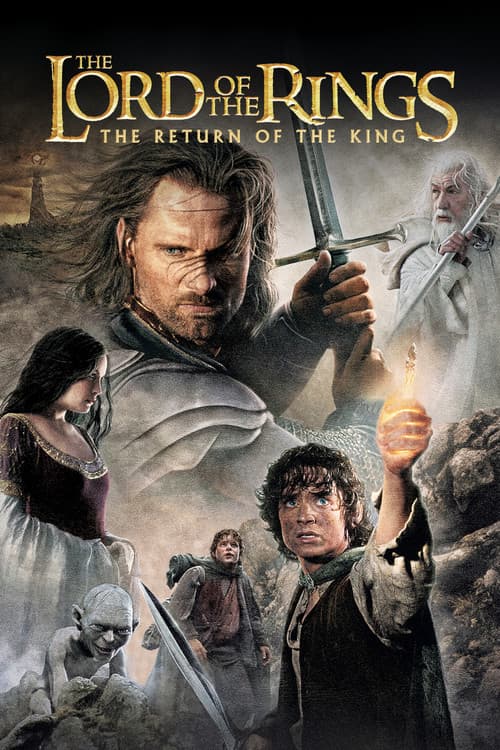
The Fellowship's quest reaches its climax as Frodo and Sam make their final push toward Mount Doom while Aragorn rallies the free peoples of Middle-earth in a desperate last stand. An epic of sacrifice and friendship that earns every one of its multiple emotional endings.
The Lord of the Rings: The Return of the King
Peter Jackson · 2003
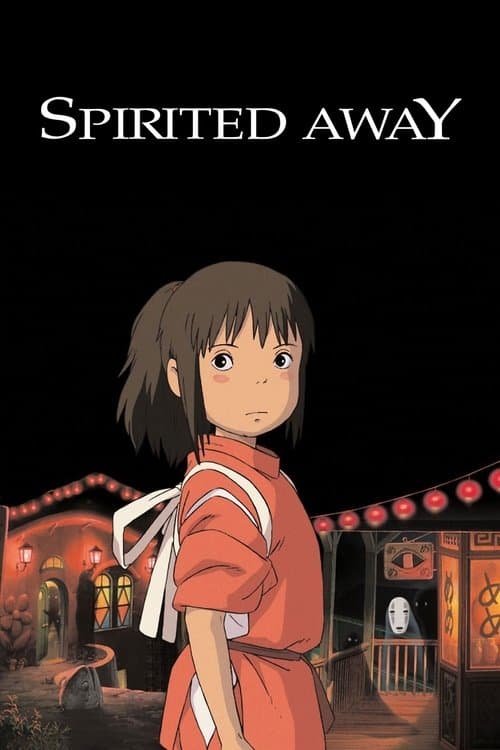
A sulky ten-year-old girl is trapped in a spirit world run by an ancient bathhouse and must work to survive while searching for a way to free her parents who have been turned into pigs. A Shinto-inflected coming-of-age film about labor, identity, and the courage required to grow up.
Spirited Away
Hayao Miyazaki · 2001