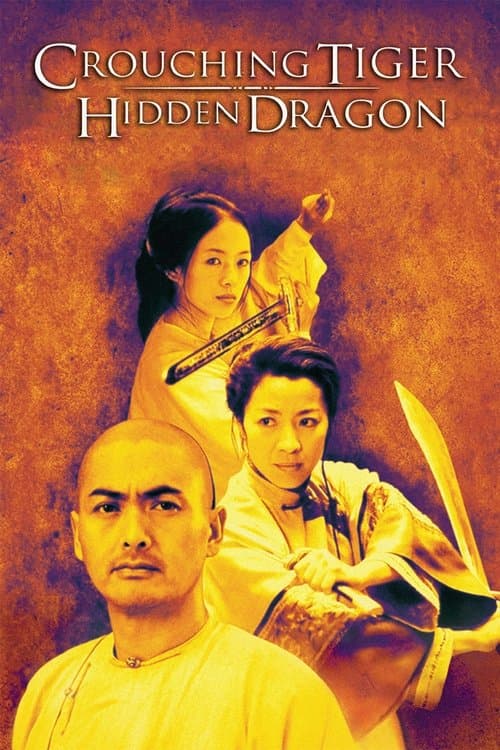
Crouching Tiger, Hidden Dragon
Ang Lee · 2000
A legendary warrior's sword is stolen, drawing him, his partner, and a rebellious aristocratic young woman into a pursuit across Qing Dynasty China that forces each of them to confront what they have suppressed in the name of duty. Ang Lee's film uses the wuxia genre to make an argument about the relationship between freedom and self-sacrifice.
Techniques Used
5 techniques identified in this film
Wire Work Action Choreography
CinematographyUsing wire-supported performers to create action sequences that defy gravity — establishing a choreographic language in which combat expresses character, desire, and power through movement rather than force.
How this film uses it
Yuen Woo-ping's wire choreography creates a grammar in which flight is self-expression: Jen's aerial combat is different from Li Mu Bai's, which is different from Yu Shu Lien's. The wire work is not spectacle but character — each fighter's aerial style externalizing their psychology and their relationship to freedom.
Landscape as Sacred Geography
CinematographyUsing natural landscape not as backdrop but as spiritual and moral terrain the characters must navigate both physically and symbolically.
How this film uses it
The Gobi Desert, the mountain monastery, the bamboo forest, and the ancient city are not simply settings — they are moral territories that test the characters differently. The desert is where Jen learns freedom; the bamboo forest is where Li Mu Bai dies; each landscape has a specific relationship to the film's argument about duty and desire.
Romantic Triangle Geometry
NarrativeStructuring a romantic narrative around three parties whose relationships are defined by displacement — desire redirected, mirrored, or denied by the presence of a third position.
How this film uses it
Li Mu Bai, Yu Shu Lien, and Jen form the film's moral and romantic triangle: Li Mu Bai loves Yu Shu Lien but cannot say so; he is drawn to Jen as both student and mirror; Jen contains the freedom that both he and Yu Shu Lien have renounced. The triangle measures the cost of suppressed desire.
Cultural Musical Identity
SoundA score that uses the musical traditions of a specific culture as structural and emotional material — so that the music is not merely background but a representation of the film's cultural world.
How this film uses it
Tan Dun's score blends Chinese traditional instruments — erhu, pipa, guqin — with Western orchestral writing and Yo-Yo Ma's cello. The musical fusion mirrors the film's cultural argument: a classical Chinese genre reconceived for a global audience, the traditional and the contemporary in productive tension.
Symbolic Object
NarrativeAn object given such sustained narrative and visual attention that it accumulates meaning beyond its literal function — becoming a vessel for the film's thematic concerns.
How this film uses it
The Green Destiny sword is the film's central symbolic object: it represents mastery, freedom, and the question of who is entitled to both. In Li Mu Bai's hands it is disciplined power; in Jen's it is undisciplined desire. Its theft is not a crime but a philosophical argument, and the film is structured around the question of who it truly belongs to.
You Might Also Like
Films that share at least one technique with Crouching Tiger, Hidden Dragon
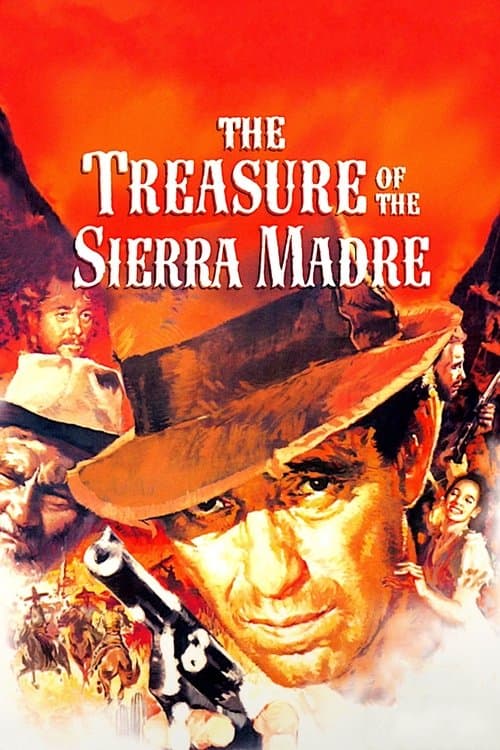
Three American drifters in Mexico strike gold in the mountains and discover that the real danger is not bandits but what greed does to a man's ability to trust anyone. John Huston's pessimistic adventure film treats the acquisition of wealth as a psychological autopsy.
The Treasure of the Sierra Madre
John Huston · 1948
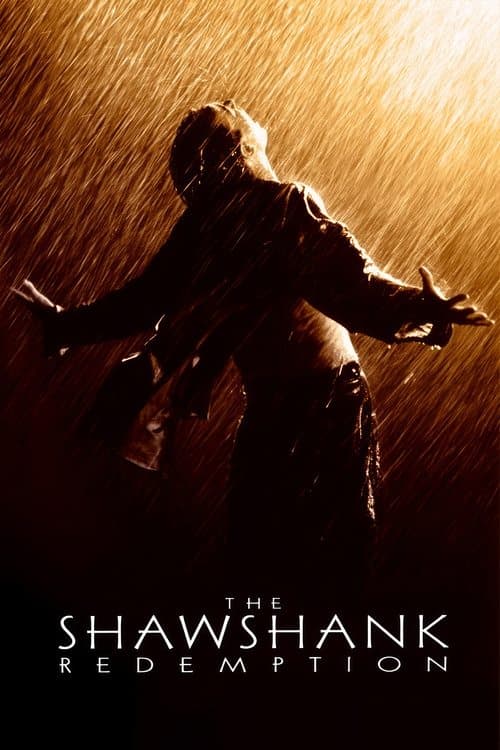
A banker wrongly convicted of murder endures nearly two decades inside Shawshank Prison through quiet resistance, unlikely friendship, and an unbroken will. A film about hope as an act of defiance against the slow machinery of institutional dehumanization.
The Shawshank Redemption
Frank Darabont · 1994
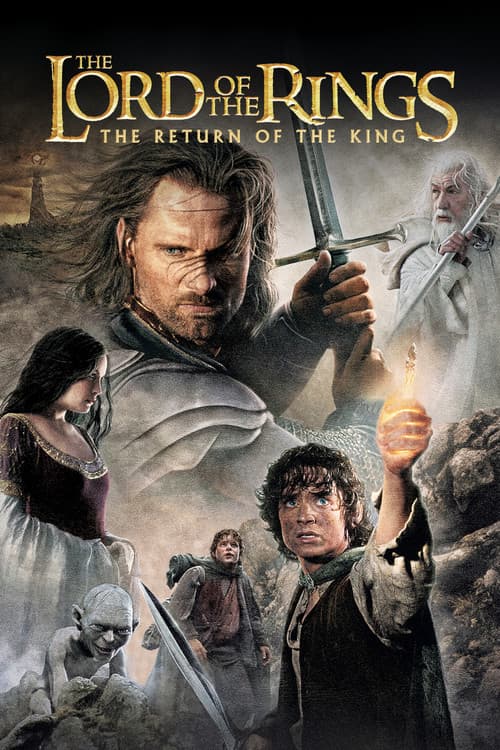
The Fellowship's quest reaches its climax as Frodo and Sam make their final push toward Mount Doom while Aragorn rallies the free peoples of Middle-earth in a desperate last stand. An epic of sacrifice and friendship that earns every one of its multiple emotional endings.
The Lord of the Rings: The Return of the King
Peter Jackson · 2003