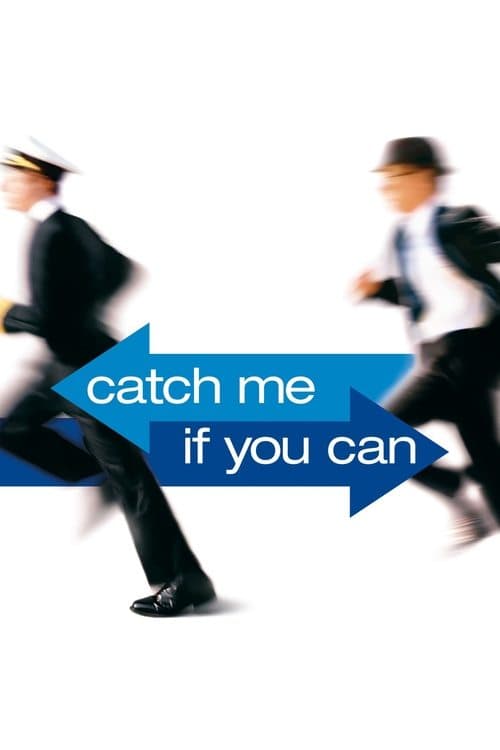
Catch Me If You Can
Steven Spielberg · 2002
Frank Abagnale Jr. successfully impersonates an airline pilot, a doctor, and a lawyer — and cashes millions in forged checks — before his nineteenth birthday, evading FBI agent Carl Hanratty across multiple continents. Steven Spielberg's film is about the con man as a lost boy performing the father he doesn't have.
Techniques Used
4 techniques identified in this film
Picaresque Structure
NarrativeA narrative organized as a series of episodic adventures featuring a roguish protagonist moving through a colorful social world.
How this film uses it
Frank's cons unfold as a series of set pieces in different cities and industries — the airline, the hospital, the law firm, the bank — each episode self-contained, each persona a new chapter, the picaresque structure encoding Frank's inability to stay anywhere long enough to be caught or known.
Era-Coded Visual Grammar
CinematographyThe adoption of a specific decade's filmmaking conventions — grain, color grading, aspect ratio — to immerse the audience in the era being depicted.
How this film uses it
Janusz Kamiński shoots in the warm, saturated palette of 1960s American cinema — the Pan Am blues, the hospital whites, the FBI office greys — each location color-coded to its period mythology, the visual grammar encoding the optimism that Frank is simultaneously exploiting and embodying.
Retrospective Voiceover
NarrativeA narrative device where a character narrates past events in hindsight, creating ironic distance between the narrator's present knowledge and the events as they unfold.
How this film uses it
The film frames Frank's story as a retrospective account — the adult Frank looking back on the teenager who ran — the distance lending the cons a wistfulness rather than a condemnation, the retrospective grammar making the audience experience the adventure before the cost.
Fish-Out-of-Water Comedy
NarrativeA narrative structure in which a character's inappropriate context generates both comedy and a particular form of resourcefulness.
How this film uses it
Frank's cons only work because he is genuinely out of place — a teenager in a pilot's uniform, a nineteen-year-old supervising doctors — and his resourcefulness in navigating the gap between his actual age and his assumed authority is the film's primary comedic and dramatic engine.
You Might Also Like
Films that share at least one technique with Catch Me If You Can
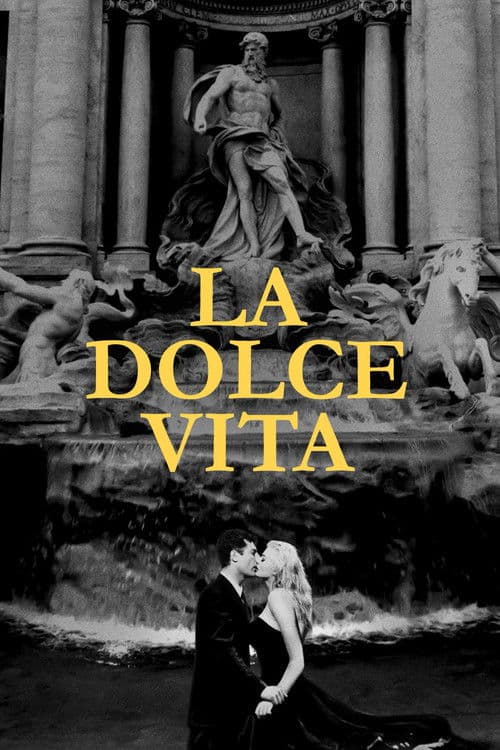
A celebrity journalist drifts through Rome's high society over seven days and nights — parties, scandals, spiritual apparitions, beautiful women — without finding anything that satisfies. Fellini's portrait of postwar Italian society as a magnificent void.
La Dolce Vita
Federico Fellini · 1960

Jeff 'The Dude' Lebowski — an unemployed bowler — is mistaken for a millionaire of the same name and drawn into a kidnapping scheme, a ransom drop, and a series of increasingly surreal encounters with nihilists, pornographers, and Vietnam veterans. The Coen Brothers use the crime genre as a vehicle for the most relaxed philosophical argument in American cinema.
The Big Lebowski
Joel Coen, Ethan Coen · 1998
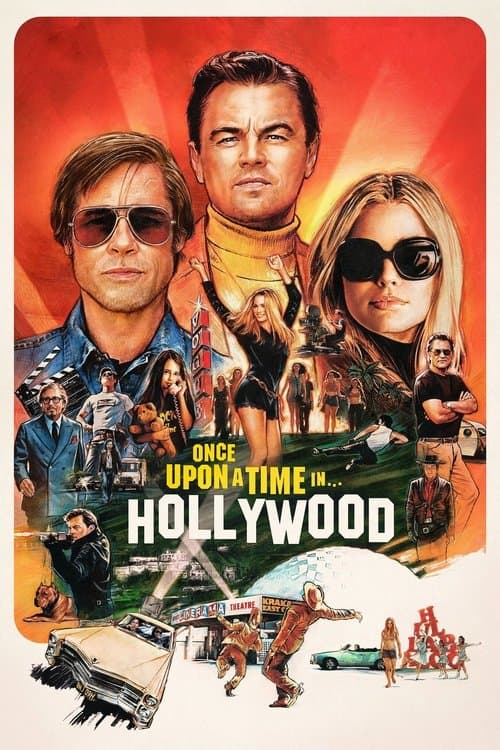
Fading TV Western star Rick Dalton and his stunt double Cliff Booth navigate 1969 Hollywood as the world they built their careers on dissolves around them — and Sharon Tate lives her final golden summer next door. Tarantino's film is an act of cinematic grief and wish-fulfillment, mourning the death of one Hollywood by imagining another ending for it.
Once Upon a Time in Hollywood
Quentin Tarantino · 2019