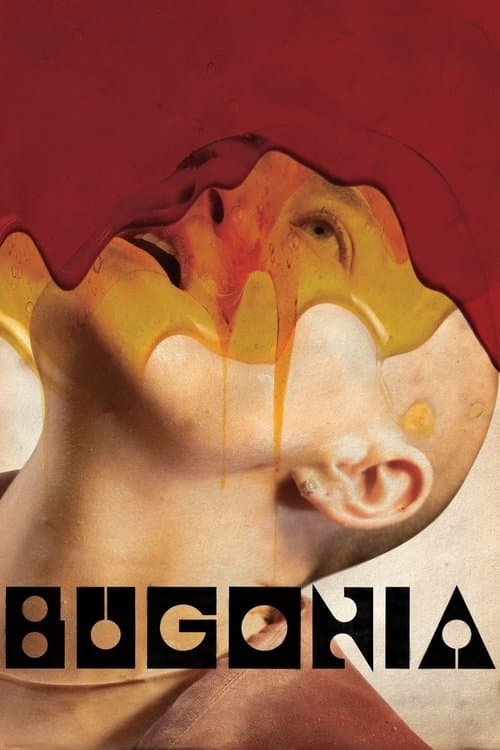
Bugonia
Yorgos Lanthimos · 2025
A delusional beekeeper convinced that a pharmaceutical CEO is an alien infiltrator kidnaps her and imprisons her in his basement to extract a confession. A darkly absurdist hostage thriller in which paranoia, corporate power, and human self-deception become indistinguishable.
Techniques Used
4 techniques identified in this film
Wide-Angle Observational Staging
CinematographyComposing scenes in wide shots that hold action at a distance, refusing to cut to close-ups, so the audience watches awkward or extreme behavior play out in full view without editorial guidance.
How this film uses it
Cinematographer Robbie Ryan — Lanthimos's regular collaborator — shoots most scenes in wide, mostly static frames that make rooms feel oversized and interactions feel exposed. The camera never rescues the viewer from discomfort with a reaction shot; it simply watches.
Asymmetric Power Framing
CinematographyUsing camera angle to physically encode power dynamics between characters — low angles to elevate, high angles to diminish — so the visual grammar itself argues about who holds authority.
How this film uses it
Lanthimos shoots Teddy from low angles that make him loom with deluded authority, while Michelle is frequently framed from above — reducing her despite her corporate power. As the power dynamic shifts, so does the camera's position.
Deadpan Absurdism
NarrativeStaging extreme, irrational, or surreal events with complete behavioral naturalism — characters responding to the absurd as though it were mundane — generating comedy and dread simultaneously from the gap between content and register.
How this film uses it
Jesse Plemons plays Teddy's alien conspiracy with total sincerity; there is no winking or camp. Emma Stone's Michelle responds to her captivity with managerial composure. The collision of genuine delusion and corporate affect makes the film simultaneously funny and genuinely unsettling.
Epistemic Collapse
PsychologyA narrative strategy in which the film systematically removes the audience's ability to distinguish truth from delusion, so that by the end, the viewer has been made as epistemically unstable as the characters.
How this film uses it
The film progressively withholds objective markers of reality — is Michelle actually an alien? Is Teddy's worldview a lens that reveals something true? — until neither character nor audience can access ground truth. The uncertainty is the point.
You Might Also Like
Films that share at least one technique with Bugonia

In early 18th-century England, two cousins compete for the affection and political influence of the ailing Queen Anne, using seduction, sabotage, and cruelty as their instruments. Lanthimos's most accessible film strips historical drama down to its essential power dynamics.
The Favourite
Yorgos Lanthimos · 2018
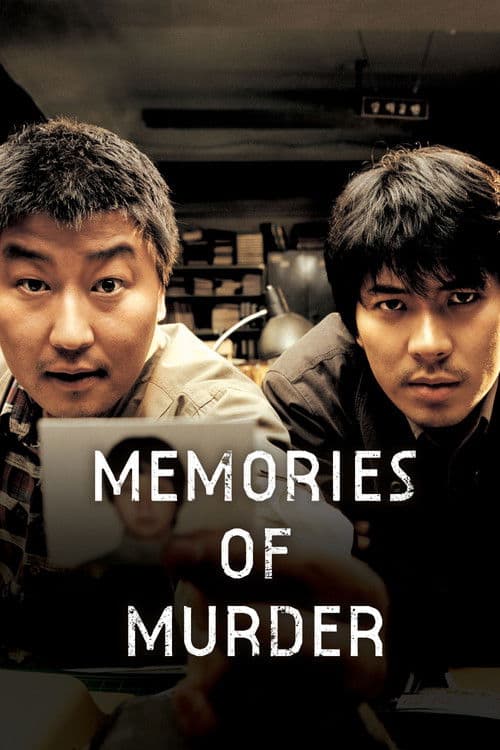
Two detectives — a provincial brawler and a methodical Seoul investigator — pursue South Korea's first documented serial killer across rice paddies and rural villages in 1986. Bong Joon-ho's breakthrough film is simultaneously a forensic procedural and a portrait of a society whose institutions are not yet equipped for the crimes they face.
Memories of Murder
Bong Joon-ho · 2003

A legendary hotel concierge and his lobby boy are embroiled in the theft of a priceless painting and a family inheritance battle in a fictional European republic between the wars. Wes Anderson's most fully realized comedy uses nostalgia as a frame for examining what is lost when elegance is replaced by brutality.
The Grand Budapest Hotel
Wes Anderson · 2014