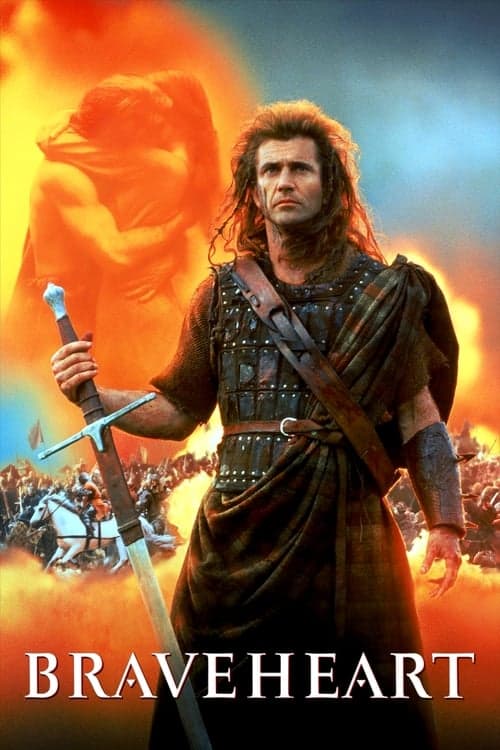
Braveheart
Mel Gibson · 1995
William Wallace leads a Scottish rebellion against English rule in the 13th century, transforming from farmer to warrior to martyr. A populist epic that made the battles of medieval Scotland feel viscerally, physically immediate.
Techniques Used
4 techniques identified in this film
Handheld Kinetic Cinematography
CinematographyUsing an unstabilized, mobile camera during action sequences to create a feeling of physical participation — the camera inside the event rather than observing it.
How this film uses it
Gibson and cinematographer John Toll use handheld throughout the battle sequences, placing the camera at ground level among the charging soldiers. The technique gives the Scottish charges their essential quality of chaotic, terrifying momentum — the camera cannot hold still because nothing can.
Shutter Angle Manipulation
CinematographyAdjusting the camera's shutter angle to change the motion blur of action — a narrower shutter creating the staccato, hyper-real quality associated with combat cinematography.
How this film uses it
The battle sequences use a shorter shutter angle to give sword strikes and arrow impacts a percussive, staccato quality — movement becomes a series of freeze-frame impressions rather than fluid motion. The technique makes violence feel immediate and physical rather than choreographed.
Retrospective Voiceover
NarrativeNarration delivered from a point after the story's events, framing the narrative as history or memory and giving even early scenes an elegiac weight.
How this film uses it
Robert the Bruce's narration frames the film as Scottish history looking back at its defining moment. The retrospective position means we know from the opening that Wallace became legend — the film is not about whether he wins but about what his defeat costs and what it creates.
Bookend Moral Frame
NarrativeOpening and closing a film with structurally parallel scenes that recontextualize the narrative — the ending commenting on the opening with the full weight of everything between them.
How this film uses it
The film opens with Wallace as a boy watching his father carried from a battle; it closes with Robert the Bruce charging into battle carrying Wallace's memory. The bookend structure transforms the film's argument: what looks like a tragedy of defeat becomes a story of transmission — a flame passed rather than extinguished.
You Might Also Like
Films that share at least one technique with Braveheart
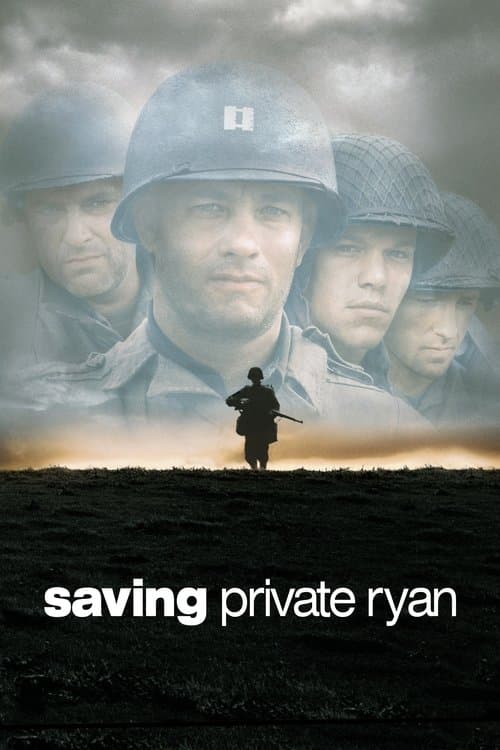
A squad of soldiers is sent behind enemy lines after D-Day to retrieve the last surviving son of a family that has lost four boys in the war. The film's opening twenty-four minutes are the most viscerally honest depiction of combat ever committed to film.
Saving Private Ryan
Steven Spielberg · 1998
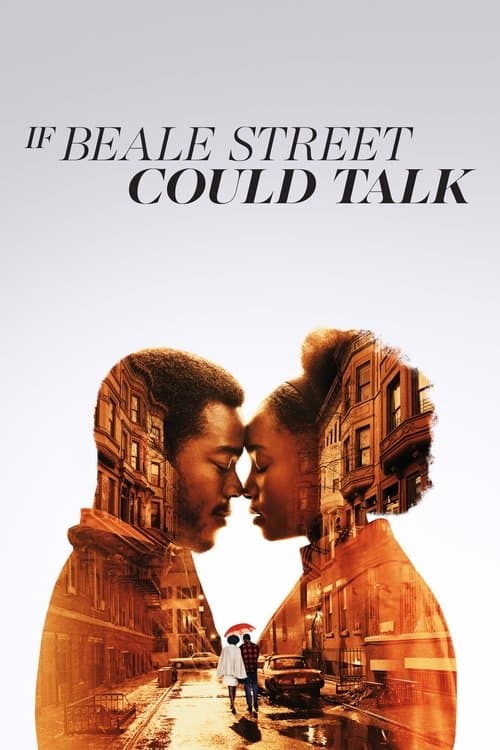
Tish, a young Black woman in 1970s Harlem, discovers she is pregnant just as her fiancé Fonny is falsely imprisoned for a rape he did not commit — and the film follows her family's desperate fight to free him before the baby arrives. Barry Jenkins' adaptation of James Baldwin is a love letter written against the carceral state.
If Beale Street Could Talk
Barry Jenkins · 2018
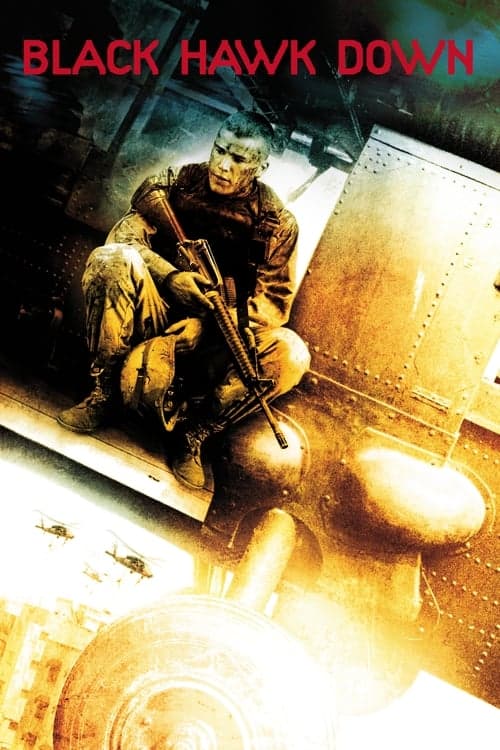
In 1993 Mogadishu, a U.S. Army Ranger and Delta Force mission to capture lieutenants of a Somali warlord descends into a catastrophic eighteen-hour battle after two Black Hawk helicopters are shot down. Ridley Scott's film is the definitive modern warfare film — a technical document of what combat actually does to the human body and mind.
Black Hawk Down
Ridley Scott · 2001