
Boyhood
Richard Linklater · 2014
Filmed over twelve consecutive years with the same cast, Richard Linklater's Boyhood follows Mason Evans Jr. from age six to eighteen as he navigates family instability, adolescent confusion, and the slow formation of a self. The film's radical formal conceit — time actually passing — gives it an emotional weight no performance alone could achieve.
Techniques Used
5 techniques identified in this film
Autobiographical Distance
NarrativeTreating personal or generational experience with the cool remove of a witness rather than a confessional, letting the material speak without editorializing.
How this film uses it
Linklater observes Mason's childhood without nostalgia or sentimentality — the mundane is presented as mundane, the painful as painful, neither inflated nor diminished.
Slow Build Runtime
NarrativeUsing extended screen time and deliberate pacing to accumulate psychological pressure rather than plot momentum.
How this film uses it
The film's nearly three-hour runtime is its argument — the accumulation of small scenes, each unremarkable on its own, creates the sensation of time as lived experience.
Earned Catharsis
PsychologyEmotional release that arrives only after sustained investment, earned through character development rather than manipulation.
How this film uses it
The film earns its final emotional beat by having the audience genuinely watch Mason grow — the college departure scene moves because we have seen twelve years of becoming.
Non-Professional Cast Authenticity
CinematographyCasting non-actors or allowing actors to use their own biographical rhythms to create performances that exceed what scripted performance can achieve.
How this film uses it
Ellar Coltrane's actual adolescence is on screen — his awkwardness, growth, and eventual ease are not performed but inhabited, making Mason's development impossible to fake.
Character Arc Inversion
NarrativeReversing the expected direction of a character's development, or refusing the conventional redemption arc entirely.
How this film uses it
Boyhood refuses to resolve Mason into a hero or a thesis — he remains ambiguous, unfinished, heading into adulthood without a clear destination, which is precisely the film's argument about selfhood.
You Might Also Like
Films that share at least one technique with Boyhood
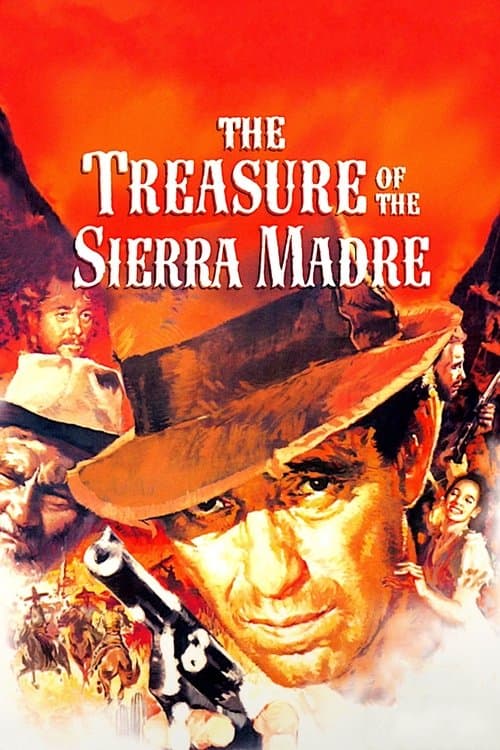
Three American drifters in Mexico strike gold in the mountains and discover that the real danger is not bandits but what greed does to a man's ability to trust anyone. John Huston's pessimistic adventure film treats the acquisition of wealth as a psychological autopsy.
The Treasure of the Sierra Madre
John Huston · 1948

Cleo, a domestic worker in 1970s Mexico City, navigates pregnancy, heartbreak, and political upheaval while caring for the family that employs her. Alfonso Cuarón's autobiographical memory film renders the invisible center of a household visible, and in doing so makes an argument about whose story gets told.
Roma
Alfonso Cuarón · 2018
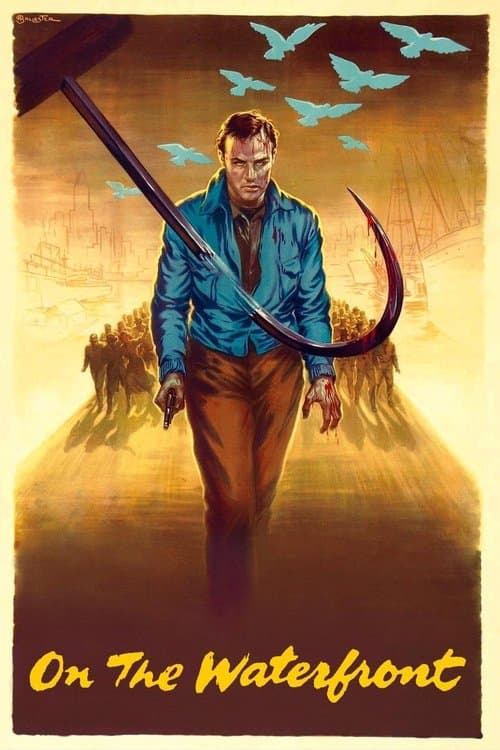
A former boxer working on the New York docks is pressured by the corrupt union boss who controls his life — and slowly realizes that the only way out is to testify against him. Kazan's most personal film, a masterpiece of American acting, and one of the most politically contested films ever made.
On the Waterfront
Elia Kazan · 1954