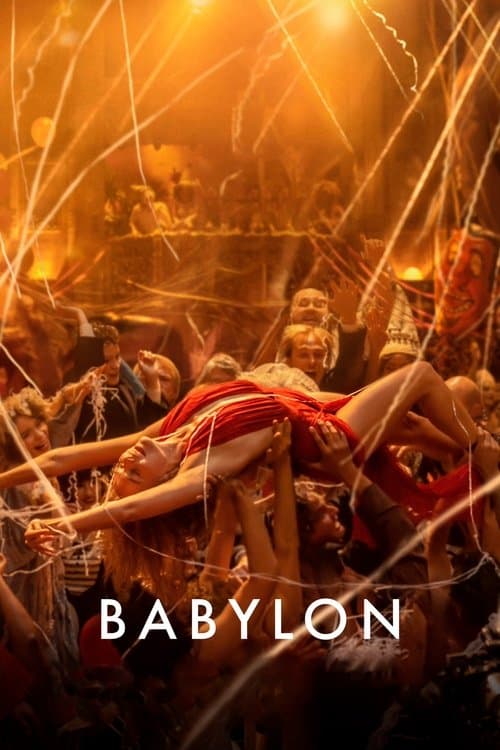
Babylon
Damien Chazelle · 2022
Three characters — a Mexican immigrant desperate to enter the film industry, a silent film star whose voice can't survive the sound transition, and a jazz musician navigating a racist industry — collide in the excess and collapse of 1920s Hollywood. Damien Chazelle's film is a three-hour hymn and autopsy for the movies.
Techniques Used
4 techniques identified in this film
Hollywood Self-Indictment
NarrativeA film that uses its own medium or industry as the subject of satirical critique, implicating cinema's cultural values in the psychological damage it depicts.
How this film uses it
Chazelle builds the most extravagant possible Hollywood excess sequence and then systematically destroys it — the film's first hour a love letter to the movies, its final hour an honest reckoning with what the industry does to the people who need it most.
Kinetic Editing
EditingA fast-paced, energetic cutting style that creates propulsive forward momentum.
How this film uses it
Tom Cross's editing in the opening party sequence operates at the speed of derangement — the cuts matching the music's pulse, the camera never still, the chaos of the orgy given the rhythm of a film about films that cannot contain itself.
Tracking Shot Choreography
CinematographyThe coordination of a long tracking shot with elaborate choreography of people, objects, and space to create a single continuous display of cinematic virtuosity.
How this film uses it
Chazelle and cinematographer Linus Sandgren execute several elaborate tracking shots through the open-air silent film sets — the camera weaving between multiple simultaneous productions, the chaos of early Hollywood rendered as one continuous spatial argument.
Era-Coded Visual Grammar
CinematographyThe adoption of a specific decade's filmmaking conventions — grain, color grading, aspect ratio — to immerse the audience in the era being depicted.
How this film uses it
Sandgren shoots different eras of the film's timeline in different visual registers — the silent-era sequences in warm grain and aspect ratios that reference 1920s cinematography, the sound-era sequences in the colder precision of early talkies.
You Might Also Like
Films that share at least one technique with Babylon
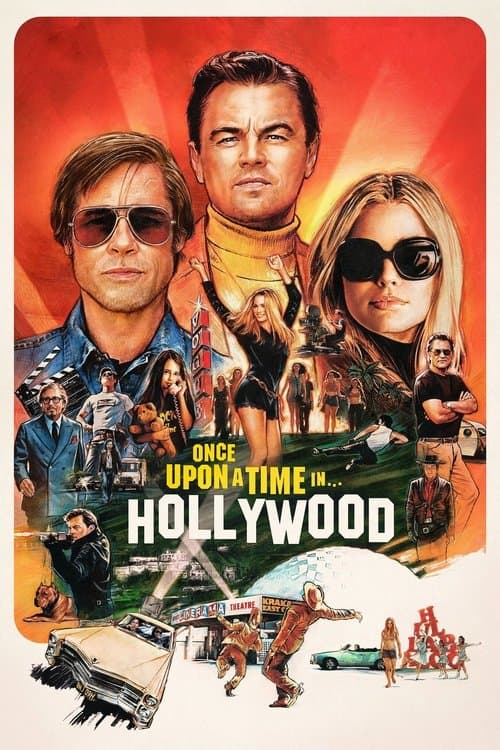
Fading TV Western star Rick Dalton and his stunt double Cliff Booth navigate 1969 Hollywood as the world they built their careers on dissolves around them — and Sharon Tate lives her final golden summer next door. Tarantino's film is an act of cinematic grief and wish-fulfillment, mourning the death of one Hollywood by imagining another ending for it.
Once Upon a Time in Hollywood
Quentin Tarantino · 2019
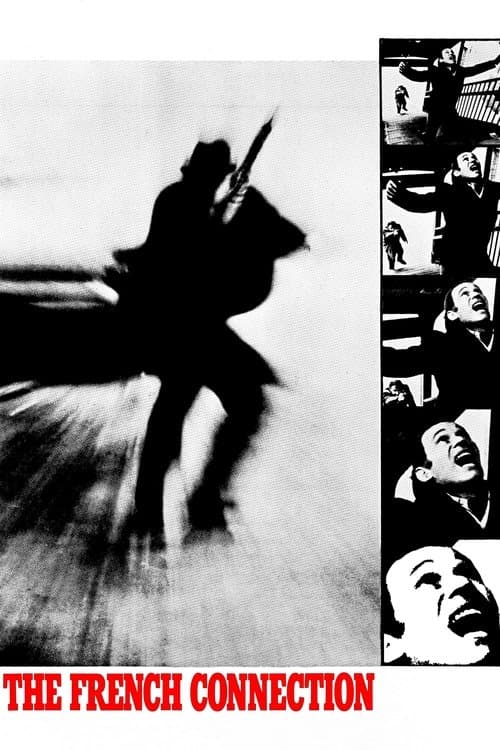
New York narcotics detective Popeye Doyle obsessively pursues a French drug smuggler attempting to move the largest heroin shipment in history through the city — and the pursuit costs him the moral certainty he thought he had. William Friedkin's film reinvented the police procedural as a morally ambiguous urban nightmare.
The French Connection
William Friedkin · 1971
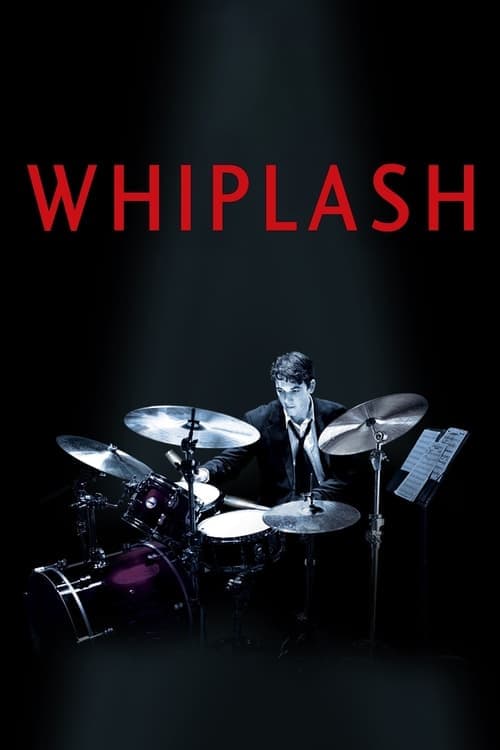
A jazz drumming prodigy at a cutthroat conservatory is pushed to the breaking point by a ferociously demanding conductor. A visceral examination of obsession, abuse, and the price of greatness.
Whiplash
Damien Chazelle · 2014