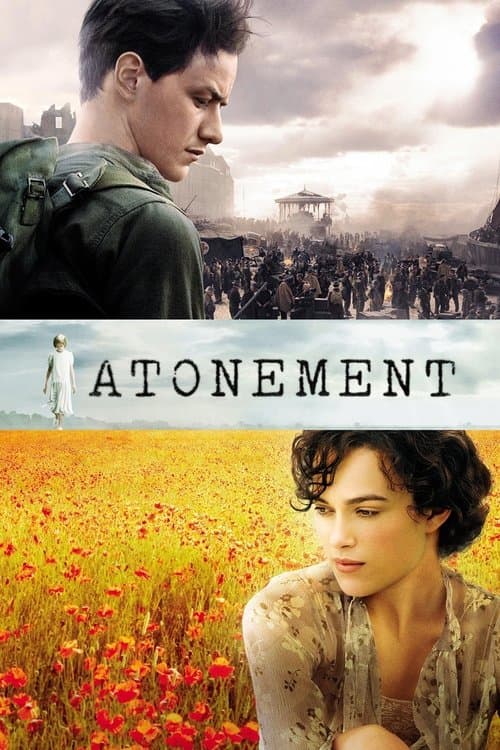
Atonement
Joe Wright · 2007
A thirteen-year-old girl's misreading of an encounter between her sister and a young man destroys both their lives — and her attempt to atone through fiction decades later reveals that narrative itself is a form of moral deception. Joe Wright's film is about the violence that stories can do.
Techniques Used
4 techniques identified in this film
Unreliable Narrator
NarrativeA storytelling device in which the person relaying events to the audience is revealed to be distorting, fabricating, or fundamentally misrepresenting what actually happened.
How this film uses it
The film's final act reveals that the entire story has been Briony's novel — her version of events, her imagined reconciliation — making every preceding scene a beautiful lie constructed as self-forgiveness.
Proleptic Opening
NarrativeAn opening sequence that flashes forward to a future event, framing the entire narrative as a retrospective examination of how that moment was reached.
How this film uses it
Wright establishes Briony's typewriter and her view of the fountain from the window before the fateful evening — framing the entire film as the document she will one day write to undo what she did.
Steadicam
CinematographyA camera stabilization system that allows fluid, gliding camera movement through complex environments, combining the mobility of handheld with the smoothness of a dolly.
How this film uses it
The five-minute unbroken Steadicam take across the Dunkirk beach — tracking Robbie through thousands of extras, a burning pier, a horse being shot, soldiers singing — is one of cinema's great sustained shots, the war's chaos absorbed into one continuous movement.
Diegetic Sound Design
SoundThe elevation of ambient, in-world sound to a structurally expressive element that shapes meaning and atmosphere.
How this film uses it
Dario Marianelli weaves the sound of Briony's typewriter into the film's score — the clacking keys becoming a musical motif that signals her authorial control over the story we are watching.
You Might Also Like
Films that share at least one technique with Atonement
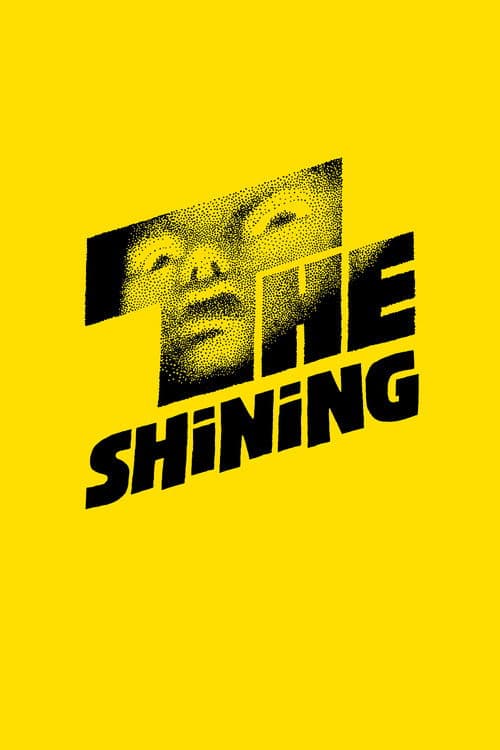
A writer takes a job as winter caretaker at a remote hotel, where supernatural forces — or his own fracturing psyche — drive him toward violence against his family. Kubrick's definitive study in geometric dread.
The Shining
Stanley Kubrick · 1980
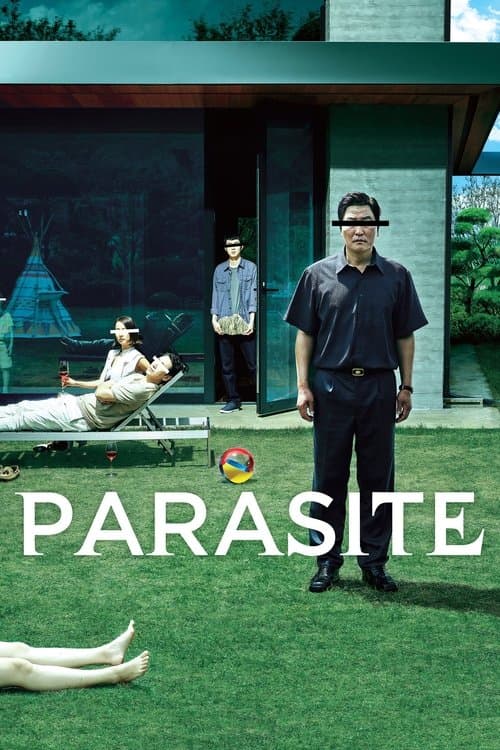
A poverty-stricken family schemes their way into the lives of a wealthy household, until a shocking discovery upends everything. A darkly comic thriller that dissects class inequality through meticulous mise-en-scène.
Parasite
Bong Joon-ho · 2019
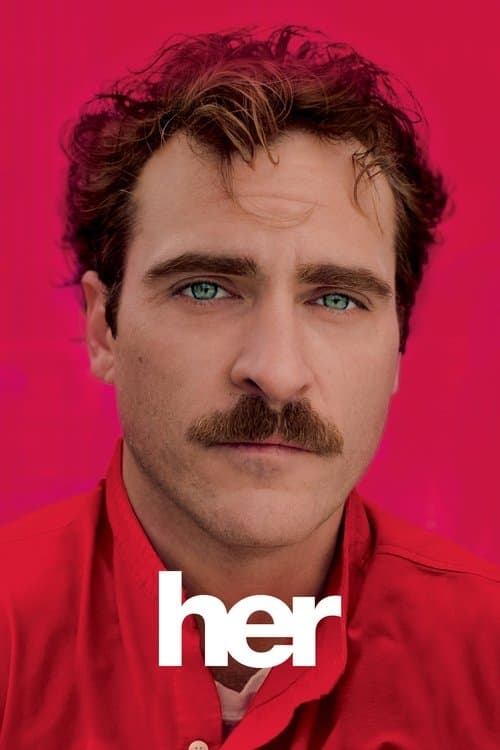
A lonely writer in near-future Los Angeles falls in love with an AI operating system. A tender, melancholy film about connection, loneliness, and what it means to love something that exists differently than you do.
Her
Spike Jonze · 2013