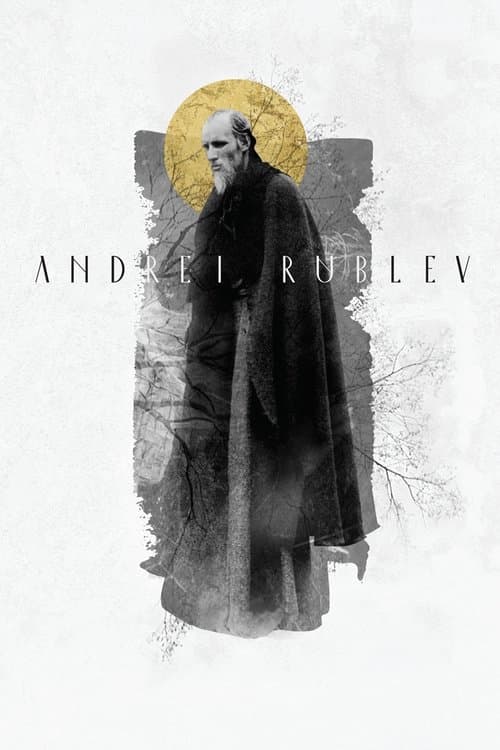
Andrei Rublev
Andrei Tarkovsky · 1966
The life of medieval Russian icon painter Andrei Rublev is told across eight episodes spanning the early fifteenth century — a world of faith, violence, and artistic silence. Tarkovsky asks whether art is possible in a world of unrelenting suffering, and what it costs the artist to maintain the belief that it is.
Techniques Used
5 techniques identified in this film
Ceremonial Pacing
NarrativeTreating narrative movement as ritual — deliberate, rule-governed, and resistant to acceleration — so that progressing through the story carries the weight of ceremony.
How this film uses it
Tarkovsky's episodes do not accelerate toward climax — they unfold at the pace of medieval life and religious conviction. The film's pacing is liturgical: each scene is given its full duration regardless of narrative necessity, the rhythm itself a form of devotion.
Slow Build Runtime
NarrativeA film whose extended runtime alters the audience's temporal relationship with the material — so that watching becomes an experience of duration rather than consumption of narrative.
How this film uses it
At over three hours, Andrei Rublev demands the patience it depicts. The film's length is its argument: the suffering Rublev witnesses and the art he eventually produces cannot be compressed without losing the very thing that makes them meaningful. The runtime is the price of the final color sequence.
Strategic Silence
SoundThe deliberate removal of ambient sound, dialogue, or score — using silence as an active expressive choice rather than an absence.
How this film uses it
Rublev takes a vow of silence after witnessing the Tatar sack of Vladimir, and the film honors this formally — extended sequences without dialogue, the ambient sound of medieval Russia carrying the narrative weight that speech has vacated. The silence is the pressure of unspoken response to overwhelming historical violence.
Landscape as Sacred Geography
CinematographyUsing natural landscape not as backdrop but as spiritual and moral terrain that characters must navigate both physically and symbolically.
How this film uses it
Medieval Russia in Tarkovsky's film is mud, water, fog, and grey sky — a landscape simultaneously physically accurate and spiritually charged. Characters move through it as through a medium that records every step. The icon painter's relationship to this earth is the film's central spiritual argument.
Isolated Color Insert
CinematographyIntroducing color sequences into a black-and-white film — so that color carries maximum thematic weight through contrast.
How this film uses it
The film is entirely in black and white. The final sequence — close-ups of Rublev's actual icon paintings — is in color. This isolated insert arrives as revelation: three hours of monochrome suffering was preparation for this moment, art's survival given the highest possible formal emphasis.
You Might Also Like
Films that share at least one technique with Andrei Rublev
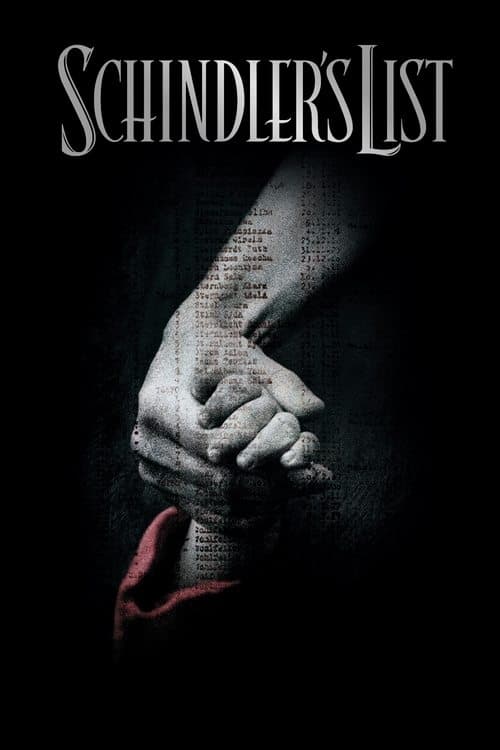
A German industrialist uses Jewish slave labor to run his factory during the Holocaust, then risks everything to save as many lives as possible. Shot in near-total black and white, the film is cinema's most sustained act of bearing witness to atrocity.
Schindler's List
Steven Spielberg · 1993
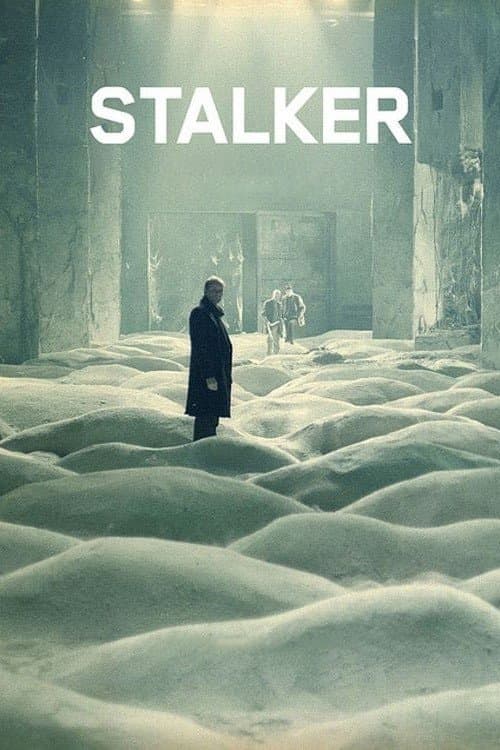
A guide called the Stalker leads a Writer and a Professor through the Zone — a forbidden, seemingly supernatural landscape containing a Room that grants a person's deepest wish. One of cinema's most demanding and rewarding films: a philosophical journey that refuses every destination it promises.
Stalker
Andrei Tarkovsky · 1979
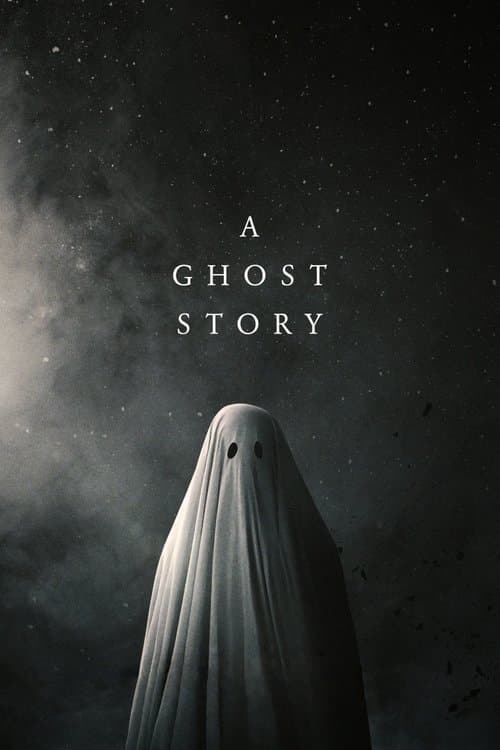
A man dies and returns to his house as a ghost — a sheet with two eye-holes — to watch his wife grieve, move on, and eventually leave, while time accelerates past him without mercy. David Lowery's film is a meditation on grief, impermanence, and the human need to leave a mark, told in a 1.33:1 aspect ratio with the patience of a painting.
A Ghost Story
David Lowery · 2017