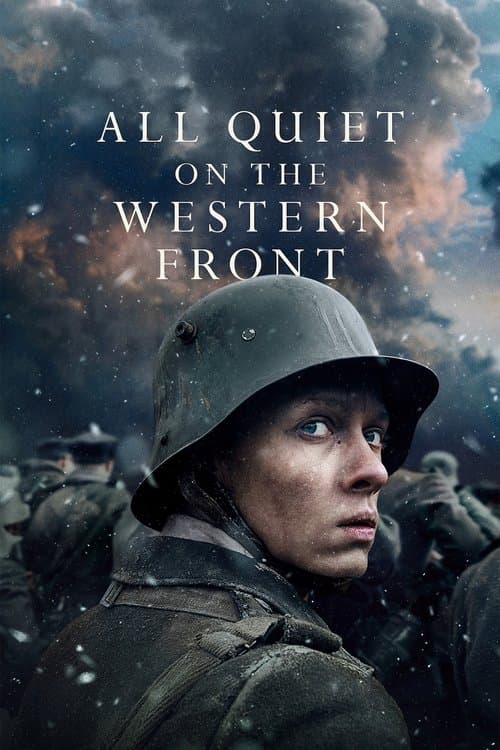
All Quiet on the Western Front
Edward Berger · 2022
A young German soldier enlists enthusiastically for World War I and discovers the reality of the trenches — mud, terror, attrition, and death without meaning. Berger's version strips Remarque's novel of sentiment and replaces it with a sustained, physically overwhelming argument against the romance of war.
Techniques Used
4 techniques identified in this film
Desaturated War Palette
CinematographyA color palette stripped of warmth and saturation — gray skies, cold blues, muted browns — positioning the film's world as one from which beauty and meaning have been removed.
How this film uses it
James Friend's cinematography removes color from the Western Front with clinical thoroughness: the mud is gray-brown, the sky is gray-white, the faces are gray. The desaturation is the film's first argument — this is not a world where heroism is photogenic. The color returns only in brief flashes of beauty that the war immediately extinguishes.
Anti-Epic Combat Staging
EditingStaging combat sequences to emphasize confusion, exhaustion, and randomness rather than heroism — making violence unglamorous, unheroic, and morally incoherent.
How this film uses it
Berger's battle sequences are deliberately anti-choreographic: soldiers die accidentally, from the wrong direction, for no discernible tactical reason. The editing refuses the grammar of heroic combat — no rousing score, no decisive action, no meaningful individual agency. Death arrives as a function, not a narrative event.
Immersive Combat Sound Design
SoundA sound design approach that prioritizes physical and spatial realism — placing the audience inside combat rather than at a dramatic remove.
How this film uses it
The film's sound design was built to simulate the physiological experience of artillery bombardment: the concussive bass of shells, the ringing that follows, the silence that precedes another wave. The audience's body responds before the mind can process. Berger's sound design is the film's most direct argument — the body knows what the mind is being told.
Off-Screen Atrocity
CinematographyViolence or horror that occurs outside the frame — audible, implied, or visible only in its aftermath — making the imagination the film's primary instrument rather than direct depiction.
How this film uses it
Berger balances explicit violence with strategic restraint — some of the film's worst moments are heard rather than shown, or shown in aftermath rather than action. The armistice negotiation scenes — men deciding to end the killing with paperwork while the front continues — describe an atrocity without depicting it: the bureaucratic horror of the war's final hours.
You Might Also Like
Films that share at least one technique with All Quiet on the Western Front
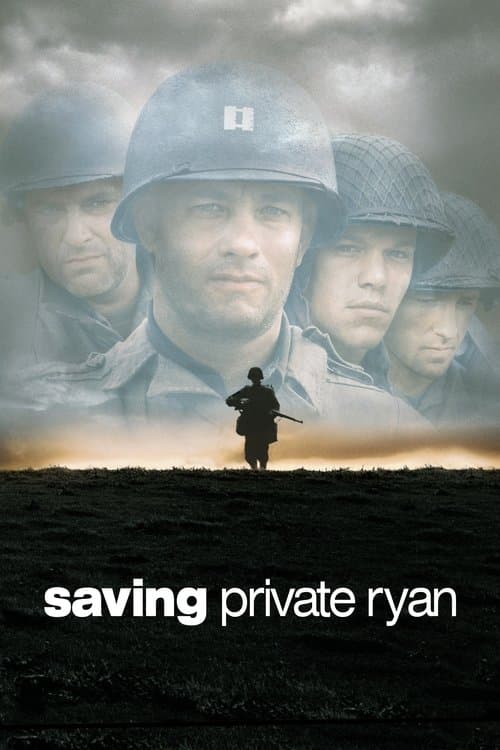
A squad of soldiers is sent behind enemy lines after D-Day to retrieve the last surviving son of a family that has lost four boys in the war. The film's opening twenty-four minutes are the most viscerally honest depiction of combat ever committed to film.
Saving Private Ryan
Steven Spielberg · 1998
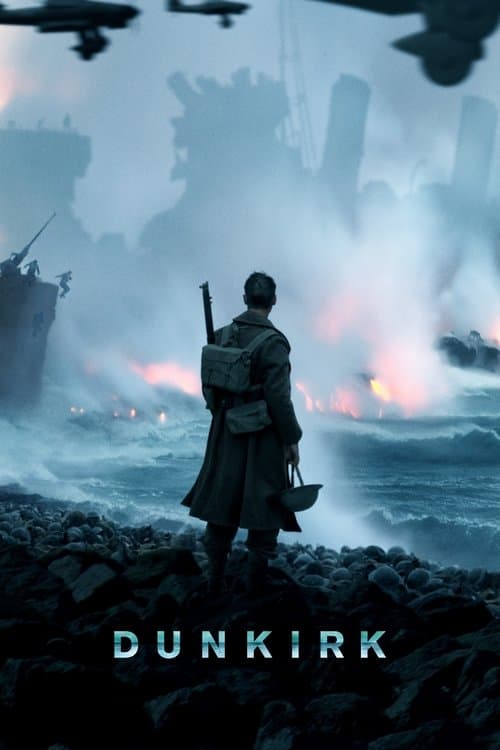
The Dunkirk evacuation of 1940 is told simultaneously from three perspectives — land (one week), sea (one day), and air (one hour) — in Christopher Nolan's experiential war film that strips away narrative to leave only sensation and survival. It is cinema as immersive endurance rather than as story.
Dunkirk
Christopher Nolan · 2017
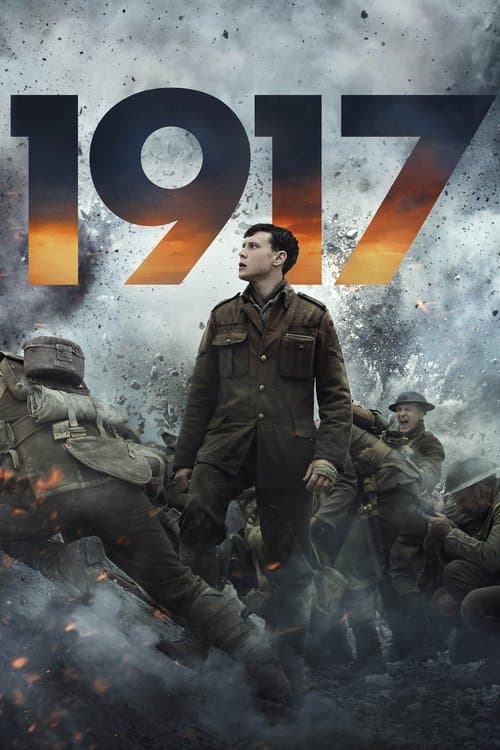
Two British lance corporals are sent across no-man's-land and enemy territory to deliver a message that could save 1,600 soldiers from walking into an ambush. Sam Mendes and cinematographer Roger Deakins construct the film to appear as a single, unbroken take — a continuous journey through landscape as trauma.
1917
Sam Mendes · 2019