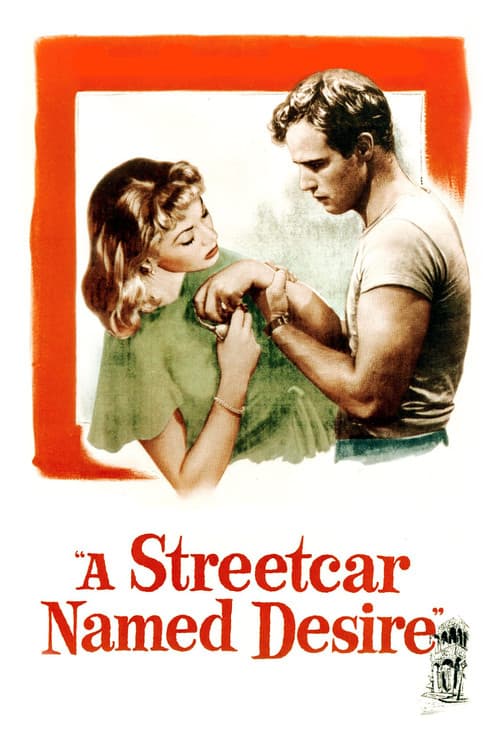
A Streetcar Named Desire
Elia Kazan · 1951
A faded Southern belle arrives at her sister's cramped New Orleans apartment, where the brutal truth of her situation — financial ruin, a history of desperate behavior, and the hostility of her brother-in-law — will systematically destroy the illusions she lives inside. The greatest American film about self-deception.
Techniques Used
4 techniques identified in this film
Unreliable Narrator
NarrativeA protagonist through whose limited, distorted perspective events unfold — their account shaped by self-deception so total that they have become the primary victim of their own mythology.
How this film uses it
Blanche DuBois is simultaneously the film's narrator and its least reliable witness. Her account of herself — the refined Southern lady fallen on hard times — is a construction she inhabits so completely that the audience must work to separate what she says from what has actually happened. Kazan and Vivien Leigh give us a woman whose self-deception is both her tragedy and her only survival mechanism.
Spatial Contraction
CinematographyA visual strategy in which the available space appears to shrink as tension increases — tighter framing, closer walls — the architecture becoming a measure of psychological pressure.
How this film uses it
Harry Stradling's cinematography uses the French Quarter apartment's genuine smallness as a dramatic instrument. As Blanche's situation deteriorates, the compositions tighten. The apartment that was already cramped becomes oppressive — the walls closer, the ceilings lower. The film's visual grammar makes the space itself become the trap that Blanche cannot escape.
Psychological Doubling
PsychologyTwo characters who mirror each other as shadow versions — one representing what the other secretly is, fears, or desires — their relationship defining the film's psychological core.
How this film uses it
Blanche and Stanley are the film's doubled antagonists: she performs refinement to deny reality; he performs brutality to enforce it. Each is threatened by the other's existence. Blanche's gentility exposes Stanley's crudeness; Stanley's reality exposes Blanche's lies. Their conflict is not personal — it is ontological, two incompatible versions of how to live.
Deliberate Close-Up Performance
CinematographyA performance designed for extreme close-up — where microexpressions, eye movements, and subtle facial changes carry the dramatic weight that in theater would require projection.
How this film uses it
Vivien Leigh's performance is calibrated for the camera's proximity: the slight tremor in her hands, the eyes that are simultaneously performing serenity and registering terror, the smile that costs more than it yields. Kazan uses close-ups at moments of maximum psychological stress, trusting Leigh's face to do what dialogue and staging cannot.
You Might Also Like
Films that share at least one technique with A Streetcar Named Desire
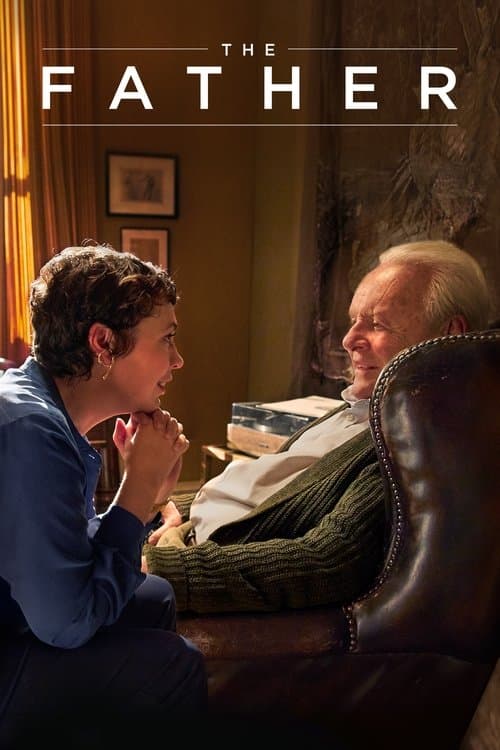
An 80-year-old man with advancing dementia experiences his world fracturing — familiar faces change, rooms rearrange, and the chronology of his own life becomes unreliable. Florian Zeller's film adapts his own stage play into a cinematic experience that places the audience entirely inside Anthony's disintegrating perception.
The Father
Florian Zeller · 2020
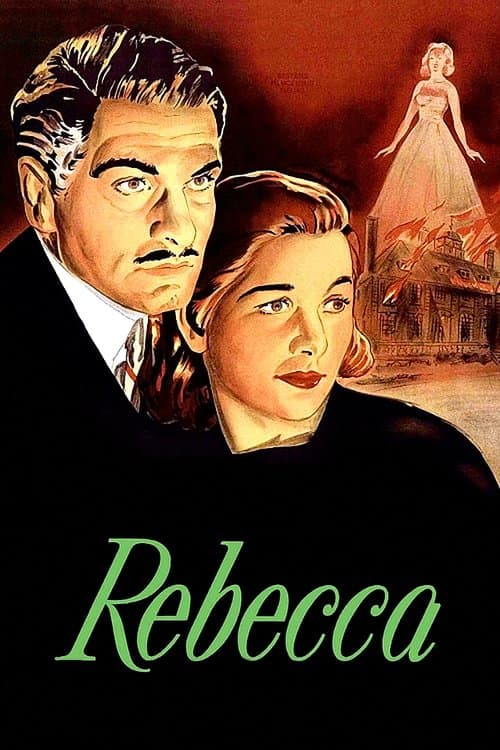
A shy young woman marries a wealthy widower and moves into his imposing Cornwall estate — only to find herself overwhelmed by the presence of his first wife, Rebecca, who seems to inhabit every room and every relationship. Hitchcock's Hollywood debut and his only Best Picture winner.
Rebecca
Alfred Hitchcock · 1940

When Amy Dunne disappears on her fifth wedding anniversary, her husband Nick becomes the prime suspect — until her diary and the investigation reveal that neither of them is the person the other believed. David Fincher's film uses the marriage thriller to dismantle the performance of gender, love, and media innocence.
Gone Girl
David Fincher · 2014