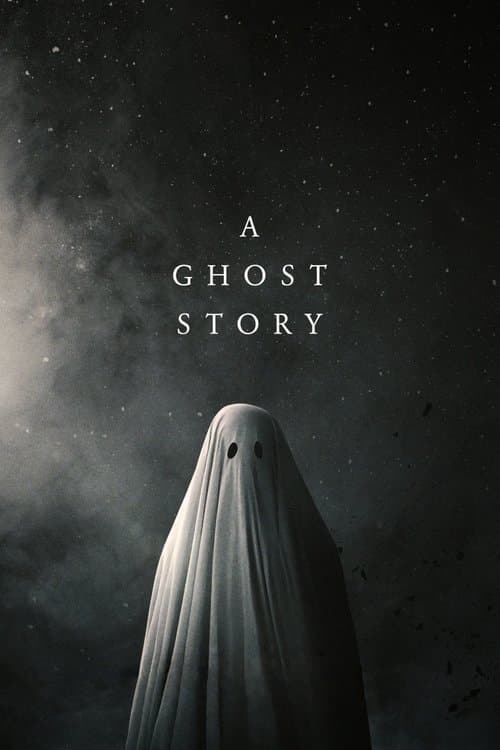
A Ghost Story
David Lowery · 2017
A man dies and returns to his house as a ghost — a sheet with two eye-holes — to watch his wife grieve, move on, and eventually leave, while time accelerates past him without mercy. David Lowery's film is a meditation on grief, impermanence, and the human need to leave a mark, told in a 1.33:1 aspect ratio with the patience of a painting.
Techniques Used
5 techniques identified in this film
Strategic Silence
SoundRemoving dialogue or score at critical emotional moments to force the audience to sit with unmediated feeling.
How this film uses it
Lowery removes music and dialogue for long stretches — the ghost simply watching, the house simply standing — making the silence a weight that presses the viewer into the same waiting the ghost endures.
Observational Restraint
CinematographyA camera strategy of watching without intervention — no zooms, no emotional signposting, no edits that impose meaning on the action.
How this film uses it
The camera watches M grieve, date, move out, and disappear with the same detached patience as the ghost — never cutting to underline, never scoring to direct feeling.
Symbolic Object
NarrativeA physical object that accumulates meaning throughout the film, eventually carrying the weight of the film's central themes.
How this film uses it
The note M leaves in the wall crack is the film's emotional center — C spends the entire runtime trying to reach it, and its contents, when finally read, constitute the film's thesis on remembrance.
Slow Build Runtime
NarrativeUsing extended screen time and deliberate pacing to accumulate psychological pressure rather than plot momentum.
How this film uses it
At 92 minutes, the film feels longer — Lowery holds every shot past comfort, making the audience experience time as the ghost does: unstructured, unending, punctuated only by others' lives passing through.
Overhead Composition
CinematographyShooting from directly above to flatten the image, create a sense of exposure, or provide a god's-eye view of a space.
How this film uses it
Lowery's 1.33:1 frame is used to trap rather than reveal — but the occasional overhead shots of C under the sheet in the house create an image that is simultaneously absurd, tender, and formally precise.
You Might Also Like
Films that share at least one technique with A Ghost Story
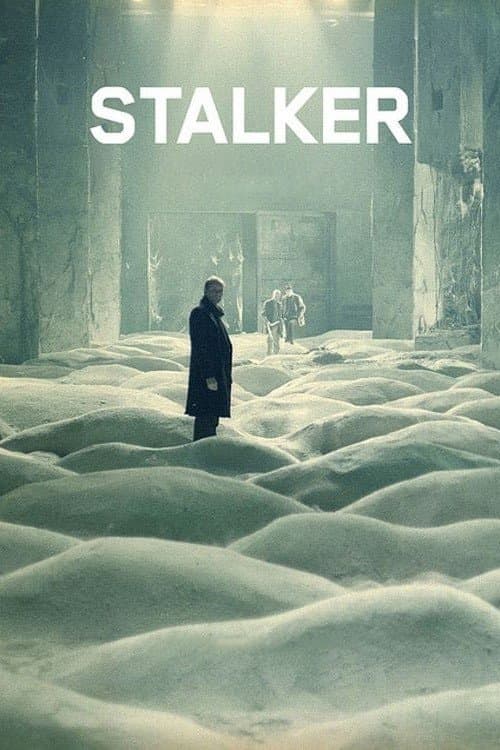
A guide called the Stalker leads a Writer and a Professor through the Zone — a forbidden, seemingly supernatural landscape containing a Room that grants a person's deepest wish. One of cinema's most demanding and rewarding films: a philosophical journey that refuses every destination it promises.
Stalker
Andrei Tarkovsky · 1979
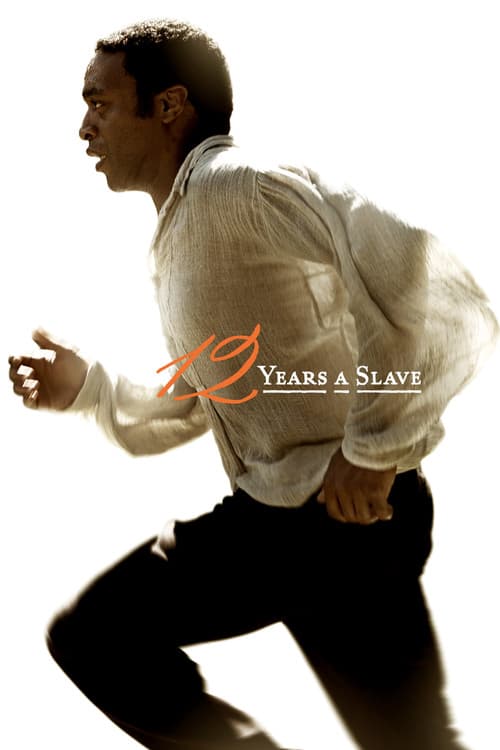
Solomon Northup, a free Black man from New York, is kidnapped and sold into slavery in Louisiana, where he spends twelve years surviving the systematic brutality of the antebellum South before being rescued. Steve McQueen's film refuses every convention of historical suffering — it looks without flinching and does not offer the comfort of resolution.
12 Years a Slave
Steve McQueen · 2013
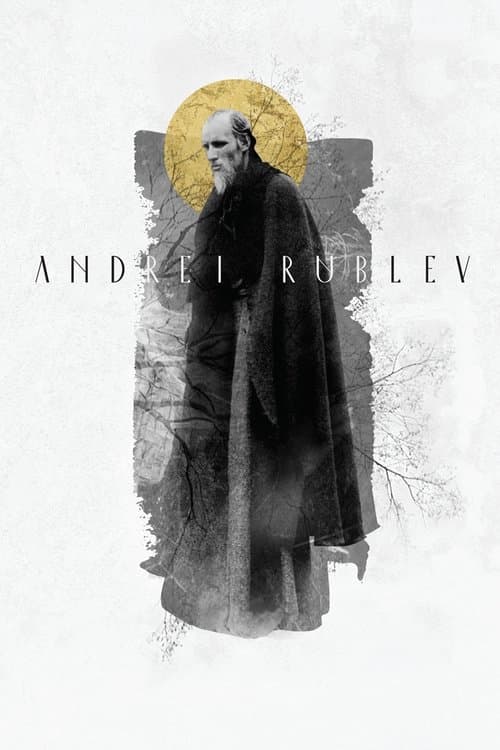
The life of medieval Russian icon painter Andrei Rublev is told across eight episodes spanning the early fifteenth century — a world of faith, violence, and artistic silence. Tarkovsky asks whether art is possible in a world of unrelenting suffering, and what it costs the artist to maintain the belief that it is.
Andrei Rublev
Andrei Tarkovsky · 1966