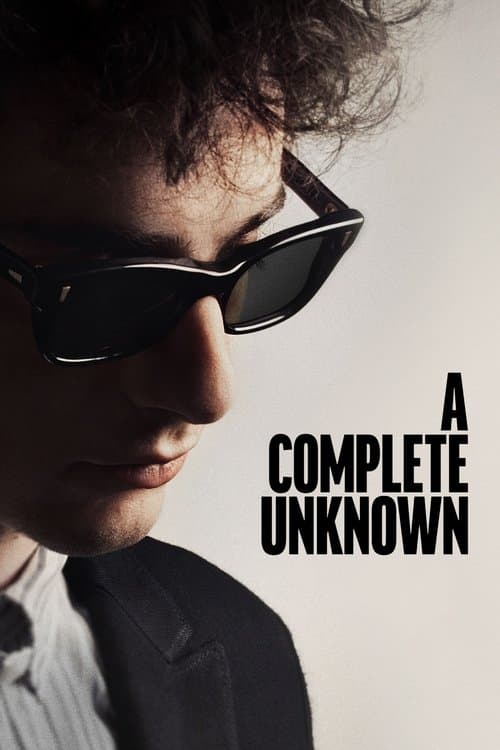
A Complete Unknown
James Mangold · 2024
The film charts Bob Dylan's arrival in New York City in 1961 as an unknown teenage folksinger and his meteoric rise through the folk establishment, culminating in his controversial electric performance at the 1965 Newport Folk Festival. James Mangold's film is about the cost of refusing to be what others need you to be.
Techniques Used
4 techniques identified in this film
Music as Survival Identity
SoundThe use of a musical instrument or practice as the primary vessel for a character's selfhood, making musical expression inseparable from psychological survival.
How this film uses it
Dylan's harmonica and guitar are his only consistent language — the film positions his music-making not as career but as an assertion of a self that resists every attempt to claim, categorize, or contain it.
Autobiographical Distance
NarrativeThe use of a partially informed protagonist or fictionalized framing to mediate an adult filmmaker's engagement with historical material.
How this film uses it
Mangold works from Elijah Wald's biography rather than Dylan's authorized narrative, approaching the subject through documented record rather than myth — a distance that makes the portrait less hagiographic and more useful.
Character Arc Inversion
NarrativeA structure in which the character who appears most in need of transformation is not the one who changes — or the apparent journey of growth is revealed as entrenchment.
How this film uses it
The film presents Dylan's arc not as a coming-of-age but as a coming-into-self — he does not grow more human or accommodating, but more precisely himself, regardless of the cost to the people around him.
Period Color Separation
CinematographyThe use of warm, desaturated color palettes to evoke a specific historical era while also lending emotional distance to events.
How this film uses it
Rodrigo Prieto's cinematography uses grain, warm tungsten light, and desaturated winter palettes to place the early 1960s Greenwich Village scenes in a world of folk music coffeehouses and cold-water apartments — a visual argument for the era's authenticity.
You Might Also Like
Films that share at least one technique with A Complete Unknown

A celebrated Polish Jewish pianist survives the destruction of the Warsaw Ghetto by hiding in bombed-out buildings while the city is razed around him. An unflinching survivor's film built on the insistence that ordinary life — and art — continue inside catastrophe.
The Pianist
Roman Polanski · 2002

Filmed over twelve consecutive years with the same cast, Richard Linklater's Boyhood follows Mason Evans Jr. from age six to eighteen as he navigates family instability, adolescent confusion, and the slow formation of a self. The film's radical formal conceit — time actually passing — gives it an emotional weight no performance alone could achieve.
Boyhood
Richard Linklater · 2014
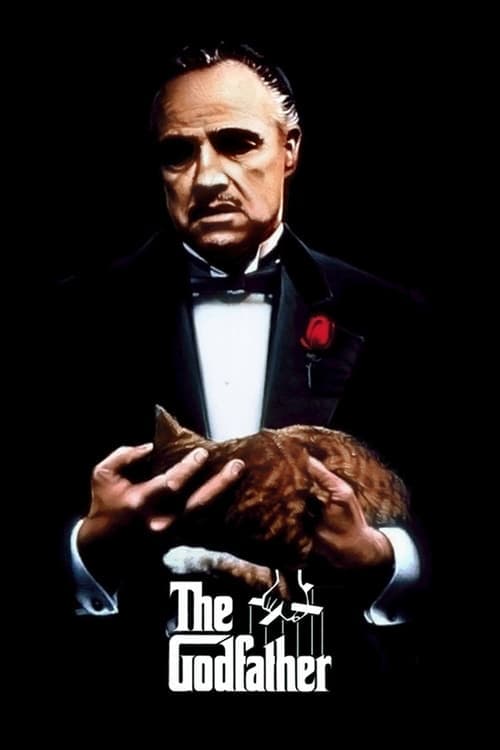
The aging patriarch of the Corleone crime family refuses to support a rival's drug empire and is nearly assassinated, setting off a war that draws his reluctant youngest son into the center of power. A meditation on loyalty, corruption, and the terrible gravity of family obligation.
The Godfather
Francis Ford Coppola · 1972