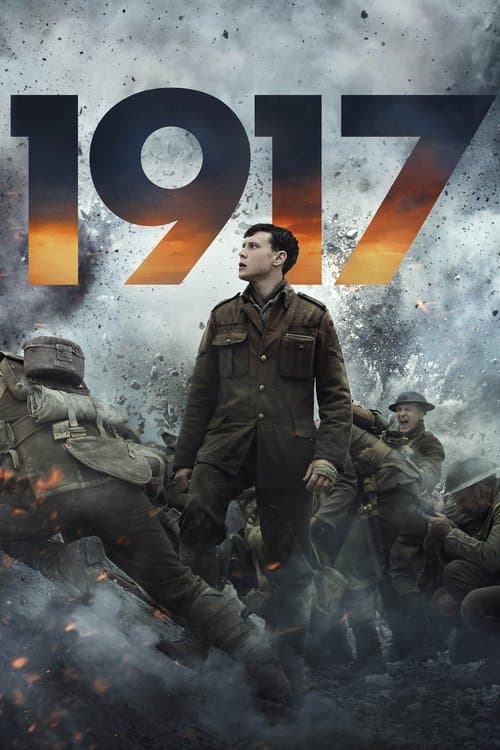
1917
Sam Mendes · 2019
Two British lance corporals are sent across no-man's-land and enemy territory to deliver a message that could save 1,600 soldiers from walking into an ambush. Sam Mendes and cinematographer Roger Deakins construct the film to appear as a single, unbroken take — a continuous journey through landscape as trauma.
Techniques Used
5 techniques identified in this film
Tracking Shot Choreography
CinematographyElaborate coordinated movement between camera and actors that unfolds as a sustained, uninterrupted sequence.
How this film uses it
The entire film was designed as a continuous tracking movement — Deakins and Mendes choreographing months of physical rehearsal so that the camera could follow Schofield through environments built to be traversed in sequence.
Immersive Combat Sound Design
SoundUsing sound design that prioritizes the physical experience of combat — the body's sonic environment — over narrative clarity.
How this film uses it
Thomas Newman's score and the sound design collaborate to make the Western Front a sonic environment — mud, wire, distant artillery, and silence weaponized into a continuous experience of threat.
Ticking Clock Structure
NarrativeOrganizing a scene or entire film around a countdown that creates escalating tension.
How this film uses it
The mission has a sunrise deadline — the attack begins at dawn — and Mendes structures the film's real-time progression so that every obstacle is also a minute lost, making survival a race the audience can feel.
Desaturated War Palette
CinematographyDraining color from the visual palette to create a moral and atmospheric bleakness appropriate to combat.
How this film uses it
Deakins drains the Western Front of color — the mudscape, the ruined villages, the grey-white sky — reserving warm light for the rare moments of human connection, making them precious by contrast.
In Medias Res
NarrativeBeginning the story in the middle of action, with no expository setup, dropping the audience directly into the current moment.
How this film uses it
The film begins with Schofield asleep under a tree — no setup, no origin — and within minutes he is on the mission; the urgency is established before any context.
You Might Also Like
Films that share at least one technique with 1917
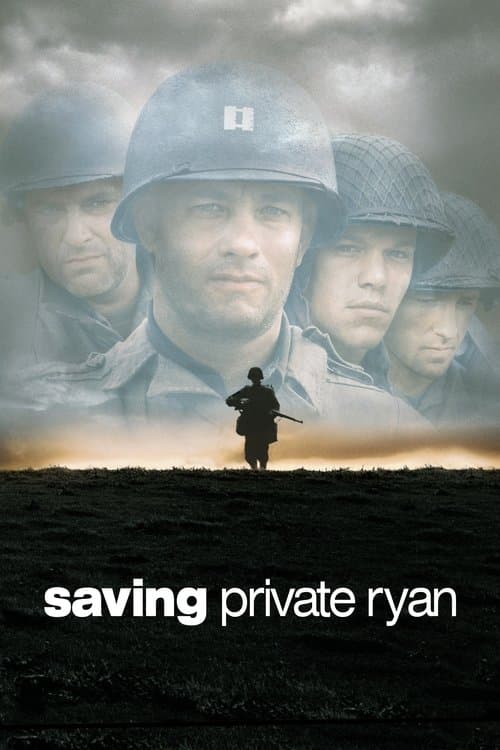
A squad of soldiers is sent behind enemy lines after D-Day to retrieve the last surviving son of a family that has lost four boys in the war. The film's opening twenty-four minutes are the most viscerally honest depiction of combat ever committed to film.
Saving Private Ryan
Steven Spielberg · 1998
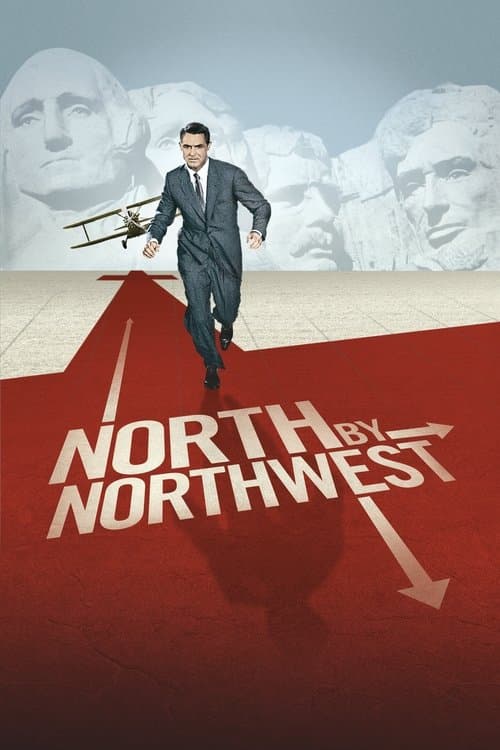
An advertising executive is mistaken for a government agent, pursued by foreign spies across the country, and drawn into a conspiracy that is never quite what it appears. Hitchcock's most purely pleasurable film, and the one that invented the modern action thriller.
North by Northwest
Alfred Hitchcock · 1959
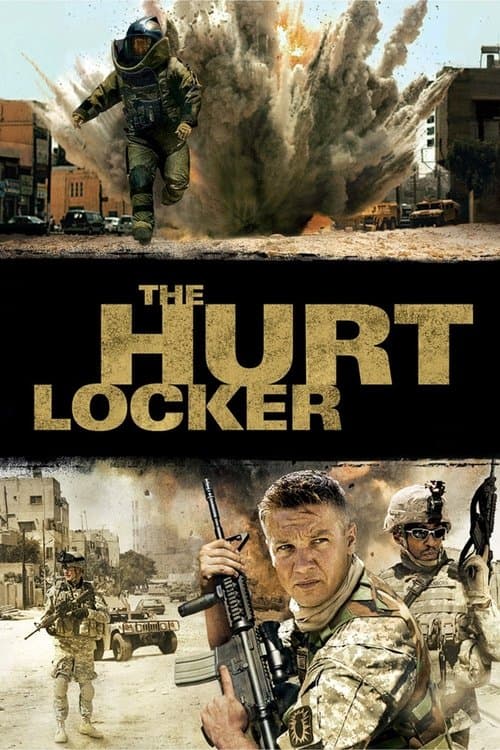
Sergeant First Class William James leads a bomb disposal unit through the final month of their Iraq War deployment, his reckless addiction to danger placing his team's lives at constant risk. Kathryn Bigelow's film refuses every convention of the war movie — there is no mission, no enemy, only the bomb and the man who needs it.
The Hurt Locker
Kathryn Bigelow · 2008